
 vi
vi 07-Jan-2026
 27,360
 Why Are Hyperopia and Presbyopia Often Confused?
Hyperopia and presbyopia are two very common vision conditions, especially among adults and middle-aged individuals. Their most noticeable similarity is that both cause blurred vision at near distances, making it difficult to read, use smartphones, or perform detailed tasks. Because their symptoms appear similar, many people mistakenly assume hyperopia and presbyopia are the same condition, leading to inappropriate vision correction choices.
In reality, hyperopia and presbyopia are fundamentally different in terms of their causes, age of onset, and treatment approaches. Understanding these differences helps protect eye health and prevents unnecessary complications.
What Is Hyperopia?
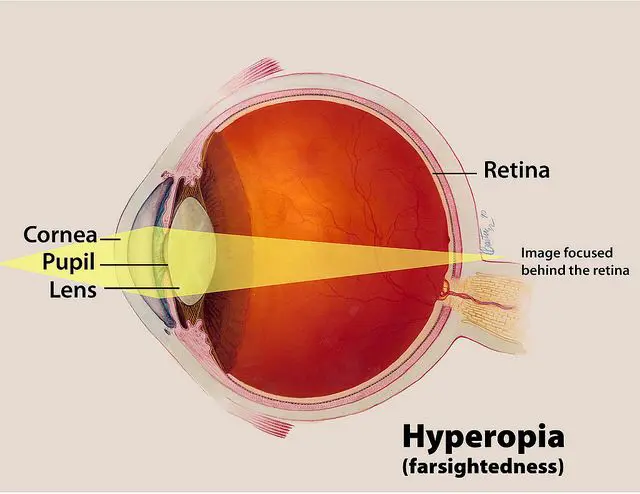
What is hyperopia? Why are hyperopia and presbyopia often confused?
Hyperopia is a vision condition in which distant objects can be seen clearly, but near objects are difficult to see and often appear blurred. This is a type of refractive error that occurs when light entering the eye does not focus correctly on the retina but instead converges at a point behind the retina.
Under normal conditions, the eye functions through refraction: light enters the eye, is bent by the cornea and lens, and then focuses precisely on the retina. The retina sends these signals to the brain to process and form images. In hyperopia, this focusing process is disrupted, causing near vision to become blurred.
Common causes of hyperopia are related to the anatomical structure of the eye, including:
- A shorter-than-normal eyeball
- An abnormally shaped cornea or lens
- Weak ciliary muscles (the muscles that hold the lens in the correct position)
Hyperopia can occur at any age, but it is quite common in children and may be present from birth. Many cases of mild hyperopia in children go undetected because their eyes still have strong accommodative ability, allowing them to compensate for the refractive error.
Factors that increase the risk of hyperopia include family history, systemic conditions such as diabetes, or side effects of certain medications. A comprehensive eye examination is the only way to accurately diagnose hyperopia.
A common sign of hyperopia is a prescription that begins with a “+” sign, such as +1.50 or +2.00.
What Is Presbyopia?

What is presbyopia? Why are hyperopia and presbyopia often confused?
Unlike hyperopia, presbyopia is not a refractive error but a natural physiological aging process of the eyes. Presbyopia typically appears after the age of 40, when the lens gradually loses its natural elasticity, reducing the ability to adjust focus for near vision.
People with presbyopia often notice typical signs such as needing to hold reading material farther away to see clearly, difficulty seeing small print, and eye strain when reading for extended periods. Importantly, presbyopia does not affect distance vision, which is completely different from moderate to severe hyperopia.
A key biological factor contributing to presbyopia is the decline of the protein α-crystallin, which helps maintain the elasticity and transparency of the lens. As levels of this protein decrease with age, near vision gradually worsens over time.
Common Symptoms of Presbyopia
People with presbyopia commonly experience the following symptoms:
- Blurred vision when reading books, newspapers, or using smartphones
- Eye strain and headaches after near work
- Needing to hold reading material farther away to see clearly
- Difficulty seeing small print, especially in low-light conditions
These symptoms typically progress gradually and may worsen until around the age of 60–65 if not properly corrected.
Key Differences Between Hyperopia and Presbyopia

Key differences between hyperopia and presbyopia
Although both conditions cause blurred near vision, hyperopia and presbyopia differ in several important ways:
- Cause: Hyperopia results from an abnormal eyeball structure or refractive system, while presbyopia is a consequence of natural aging.
- Age of onset: Hyperopia may appear in childhood, whereas presbyopia almost always develops after age 40.
- Effect on distance vision: People with presbyopia maintain clear distance vision, while those with severe hyperopia may experience blurred vision at both near and far distances.
- Progression: Hyperopia can worsen and lead to complications if not corrected early, whereas presbyopia is an inevitable age-related process.
In practice, individuals with hyperopia who reach middle age often develop presbyopia as well, making near vision more difficult than in those with presbyopia alone.
How Do Hyperopia and Presbyopia Affect Daily Life?

How do hyperopia and presbyopia affect daily life?
Hyperopia forces the eyes to continuously accommodate to compensate for blurred images, leading to eye strain, headaches, and reduced concentration. In children, uncorrected hyperopia can negatively affect learning and may even result in esotropia and amblyopia.
Children with moderate to severe hyperopia who do not wear corrective lenses early are at risk of the brain ignoring signals from the blurred eye and favoring the stronger eye, potentially leading to irreversible amblyopia.
Presbyopia, on the other hand, mainly causes inconvenience in daily activities for older adults. Patients often struggle with reading, using smartphones, performing fine tasks, and become increasingly dependent on reading glasses.
Can Hyperopia and Presbyopia Be Prevented?
Neither hyperopia nor presbyopia can be completely prevented, as they are related to eye structure and natural physiological processes. However, vision can be effectively corrected with proper examination and professional guidance.
Current Treatment Options for Hyperopia and Presbyopia
Although hyperopia and presbyopia cannot be fully prevented, they can be effectively corrected.
Common treatment options include:
- Eyeglasses or contact lenses with appropriate corrective power
- Multifocal lenses for individuals with both hyperopia and presbyopia
- Refractive surgeries such as LASIK and PRK for eligible candidates
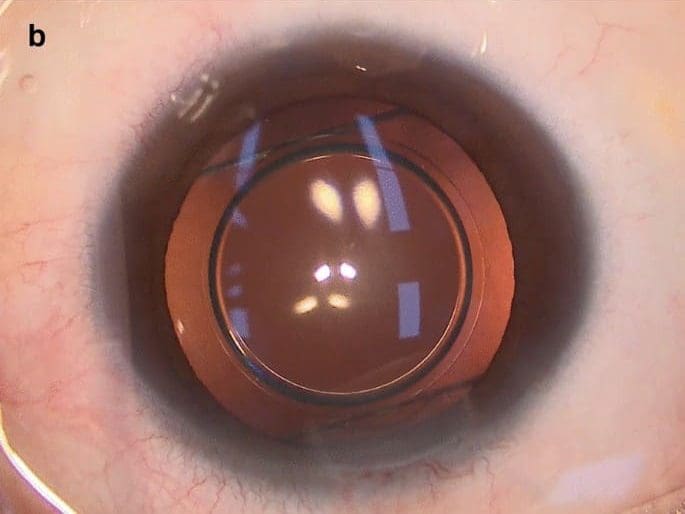
- Lens replacement surgery for presbyopia combined with cataracts
Choosing the appropriate treatment depends on age, the degree of hyperopia and presbyopia, overall eye health, and consultation with an eye care specialist.
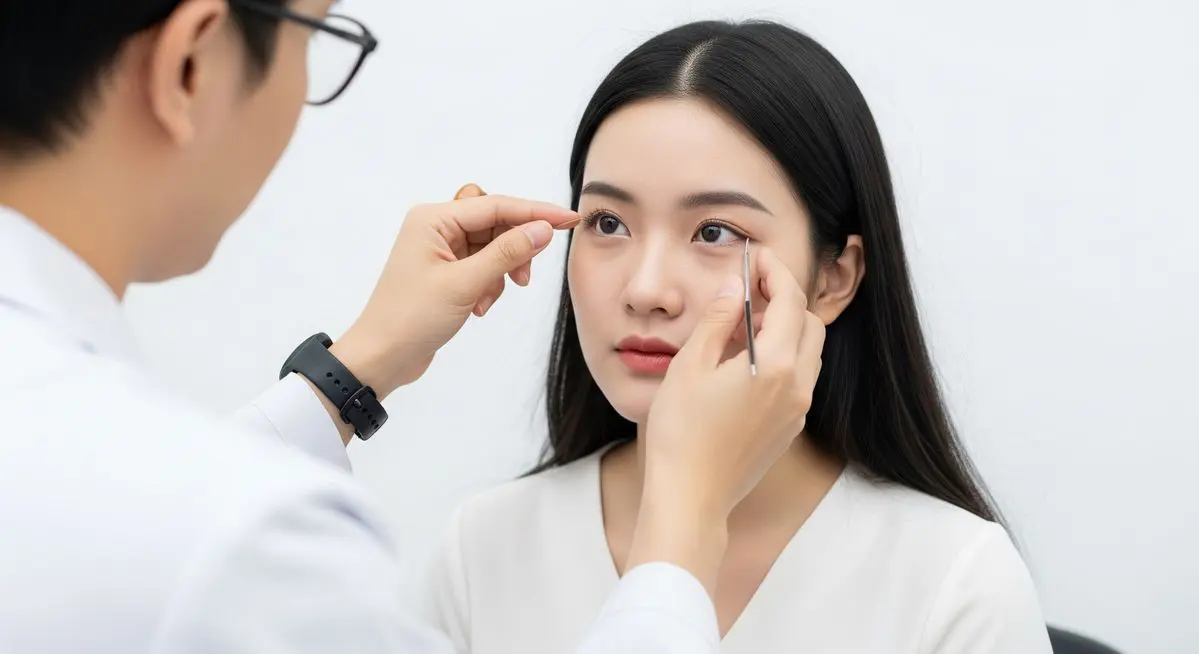
If you frequently experience blurred near vision, eye strain, headaches, or squinting when reading small print, seek an eye examination early. Correctly distinguishing between hyperopia and presbyopia not only ensures proper vision correction but also helps prevent long-term eye complications.
 23/02/2026







 0916.741.763
 Appointment