
 vi
vi 04-Dec-2025
 101,745
 Introduction
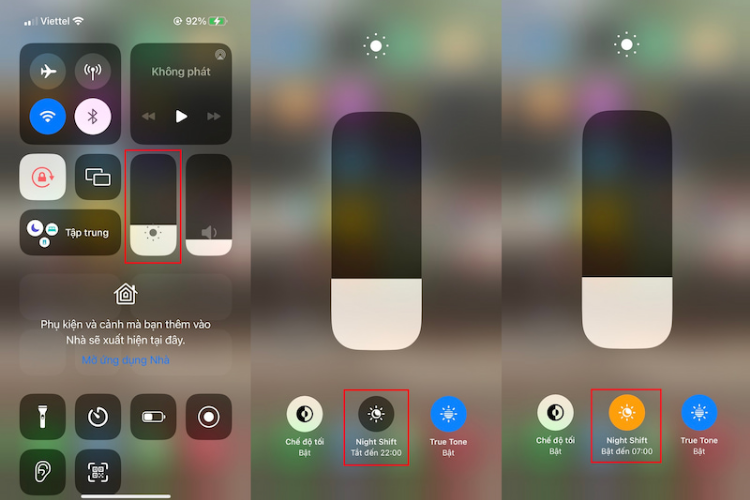
Night Shift mode protecting the eyes on iPhone
Since 2017, Apple has integrated Night Shift into iPhone, iPad and MacBook with the aim of reducing the harmful effects of blue light on the eyes and improving sleep. When this mode is enabled, the screen shifts toward warmer tones and reduces blue light, which is believed to cause difficulty falling asleep, eye strain and circadian rhythm disruption.
However, does Night Shift really protect the eyes as we commonly think? Recent studies suggest the answer is not that simple. The article below analyzes how blue light works, what Night Shift can help with, and, more importantly, the limitations of this feature.
How does blue light affect the eyes and sleep?
To understand why Night Shift was developed, we need to know the role of melatonin — the hormone that controls the feeling of sleepiness.
- Daytime: blue light (around 5600 Kelvin) suppresses melatonin → helps keep you alert.
- Evening: light dims and color temperature shifts to warmer tones (around 3000 Kelvin) → the body increases melatonin production → natural sleepiness.
Default phone screens have a color temperature similar to daylight (5600K). This means artificial blue light hitting the eyes at night slows melatonin secretion and can cause:
- Difficulty falling asleep
- Eye strain
- Circadian rhythm disruption
- Reduced sleep quality
For these reasons, Night Shift was created to reduce blue light and make using devices at night more comfortable for the eyes.

Night Shift was created to reduce blue light and make using devices at night more comfortable for the eyes.
According to Rohan Nagare — a sleep researcher interviewed by VOX — trials show:
- Night Shift suppresses melatonin whether it is set to a strong warm shift or a mild warm shift.
- The level of suppression is only slightly lower compared with having Night Shift off.
- There is no significant difference between a strongly warm Night Shift and a mildly warm Night Shift.
This means: Night Shift has an effect, but not as strong as many people expect.
The reason is simple: spectrum (color) is only one aspect of light as a whole.
Scientists emphasize two other factors that are even more important:
2.1. Duration of light exposure
- Watching for 20–30 minutes before bed → little effect.
- Watching a 1–2 hour movie or browsing for many hours → strong melatonin suppression even with Night Shift on.
2.2. Intensity of light entering the eyes
The closer the light source is, the more light the eye receives.
For example: a light source twice as close to the eye can deliver roughly four times the illuminance to your eyes.
Whether the light is warm or cool, if brightness is high and the source is close → it will still negatively affect the eyes and sleep.
So does Night Shift protect the eyes?
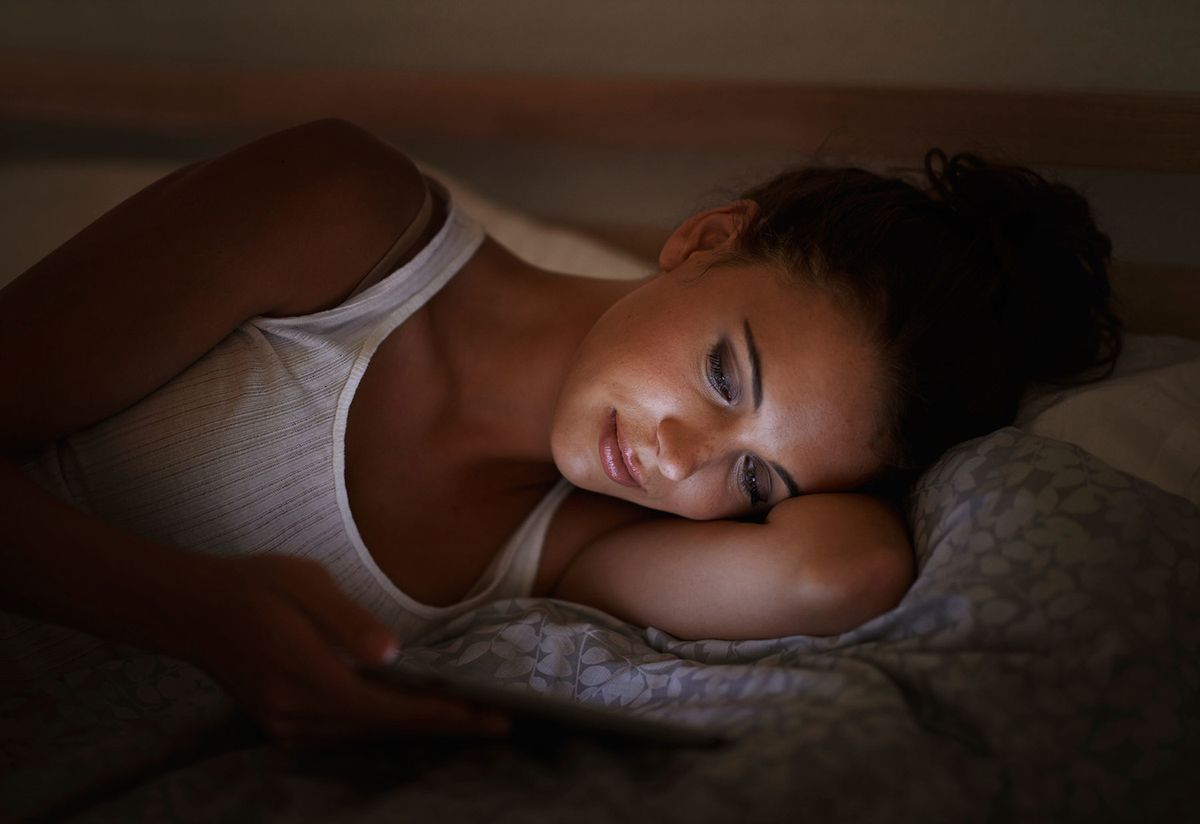
Does Night Shift protect the eyes?
Night Shift helps:
- Reduce blue light
- Make screen light gentler
- Reduce glare when used in a dark room
- Make nighttime use more comfortable for the eyes
→ Beneficial for the eyes, especially during prolonged device use.
But Night Shift cannot:
- Completely prevent blue light harm
- Protect the eyes if users hold the device too close
- Prevent eye strain from long phone usage
- Eliminate all effects on sleep
Night Shift is a support tool but not a complete solution.
Other benefits when enabling eye-protection modes (Night Shift or Eye Comfort)
Do you need blue-light-blocking glasses if you already have Night Shift?
In fact, current studies do not strongly support that blue-light-blocking glasses protect the eyes better than other measures.
What remains important is:
- Managing total usage time
- Adjusting brightness appropriately
- Keeping a safe viewing distance
Night Shift combined with sensible habits is much more effective than relying on glasses alone.
Yes, but only as a support.
Night Shift softens the screen light and reduces some effects of blue light, making evening use more comfortable. However, it cannot replace essential protective measures such as lowering brightness, maintaining a proper distance, and limiting screen time before bed.
If you want better sleep, less eye fatigue, and long-term visual health, treat Night Shift as a complementary tool, not a full “shield” for your eyes.

 07/03/2026









 0916.741.763
 Appointment