

 vi
vi 18-Dec-2025
 37,810
Does a child with myopia in one eye need to wear glasses?
Myopia in one eye is not an uncommon condition, especially in children, students, and people who spend a lot of time working with computers or mobile phones. However, because the other eye can still see clearly, many parents tend to be subjective, delaying eye examinations for their children or not ensuring that glasses are worn according to medical instructions. This can lead to long-term consequences for a child’s vision if not addressed in time.
So, does myopia in one eye require wearing glasses, when should it be treated, and how should it be managed to prevent rapid progression? The article below will help you understand clearly.
What is myopia in one eye?
Myopia in one eye (also known as anisometropic myopia or unequal refractive error between the two eyes) is a condition in which one eye is nearsighted while the other eye has a much lower degree of myopia or is completely normal. This difference makes it difficult for the two eyes to work together, forcing the visual system to continuously adjust in order to “compensate.”
In the early stages, children with myopia in one eye often do not notice obvious abnormalities, because the brain tends to prioritize images from the eye with better vision. However, this very compensation can pose many hidden risks.
Causes of myopia in one eye in children

Causes of myopia in one eye in children
There are many factors that can lead to myopia in one eye, the most common of which include:
- Frequently lying on one side while reading, using a phone, or working on a computer causes one eye to work more while the other eye is less active. Over time, the overworked eye is more likely to experience a rapid increase in myopia.
- Lighting that is too dim or too bright, especially during prolonged near work or studying, can cause one eye to exert more accommodative effort in order to see clearly.
- Some children are born with differences in eyeball structure, corneal curvature, or accommodative ability between the two eyes, leading to early-onset unequal myopia.
- Injuries to the cornea, crystalline lens, or retina in one eye can alter its refractive ability, resulting in a difference in myopic power.
- Wearing glasses with an incorrect prescription, or only wearing glasses when vision feels “very blurry,” can force the myopic eye to continuously accommodate, causing faster progression of myopia.
Signs of myopia in one eye
In addition to blurred vision in one eye, people with myopia in one eye may experience:
- Double vision or unclear images when focusing on near objects
- Eye strain and headaches after studying or working
- Eye discomfort when exposed to bright light
- Reduced ability to concentrate, especially in children
- Frequently squinting one eye when looking at distant objects
In young children, these signs are often difficult to recognize without regular vision screening.
Does myopia in one eye require wearing glasses?
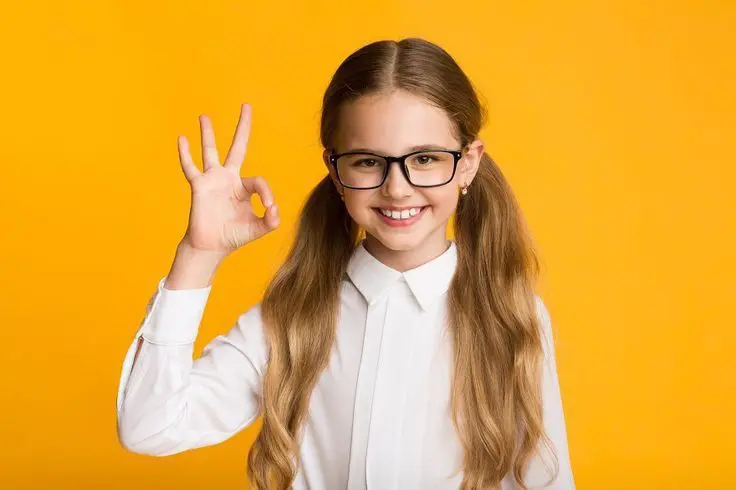
Does a child with myopia in one eye need to wear glasses?
The answer is: YES.
In most cases, myopia in one eye requires wearing glasses with the correct prescription as prescribed by an eye doctor.
Wearing glasses not only helps improve clarity of vision, but also plays an important role in:
- Balancing visual acuity between the two eyes
- Reducing the accommodative burden on the myopic eye
- Preventing the brain from “ignoring” the myopic eye, especially in children
- Reducing the risk of rapid myopia progression and future complications
If glasses are not worn, the myopic eye will gradually weaken, while the other eye must work excessively, which can lead to prolonged eye strain and impaired binocular visual coordination.
Methods to correct myopia in one eye
Depending on age and the degree of myopia, doctors may recommend one of the following approaches:
Correctly prescribed eyeglasses: This is the most common and safest option, especially for children. Glasses help compensate for refractive differences and improve binocular coordination.
Contact lenses or Ortho-K: Suitable for older children or adolescents who find eyeglasses inconvenient. Ortho-K lenses are worn overnight to help control myopia progression during the day.
Surgical intervention when eligible: Once adulthood is reached and myopia has stabilized, refractive surgery may significantly reduce the difference in myopic power between the two eyes and improve long-term visual quality.
How to prevent myopia in one eye from worsening
In addition to wearing glasses as prescribed, attention should be paid to the following:
- Limit continuous use of electronic devices
- Increase daily outdoor activities
- Arrange a study area with adequate lighting and proper posture
- Apply the 20–20–20 rule: every 20 minutes of near work, look at an object 6 meters away for at least 20 seconds
- Have regular eye examinations to monitor myopia progression
For children, early monitoring and timely intervention play a decisive role in protecting long-term vision.
Myopia in one eye should not be taken lightly, even if the other eye still sees clearly. Wearing properly prescribed glasses and adopting healthy visual habits can help slow progression, protect vision, and improve quality of life in the long run.
If you or your child experiences blurred vision in one eye, eye strain, or persistent headaches, proactively schedule an eye examination with a specialist to receive the most appropriate advice and treatment.

 25/02/2026









 0916.741.763
 Appointment