

 vi
vi 28-Feb-2026
 570
570 The Optical Nature of ICL and Its Light-Filtering Capability
The Optical Nature of ICL and Its Light-Filtering Capability
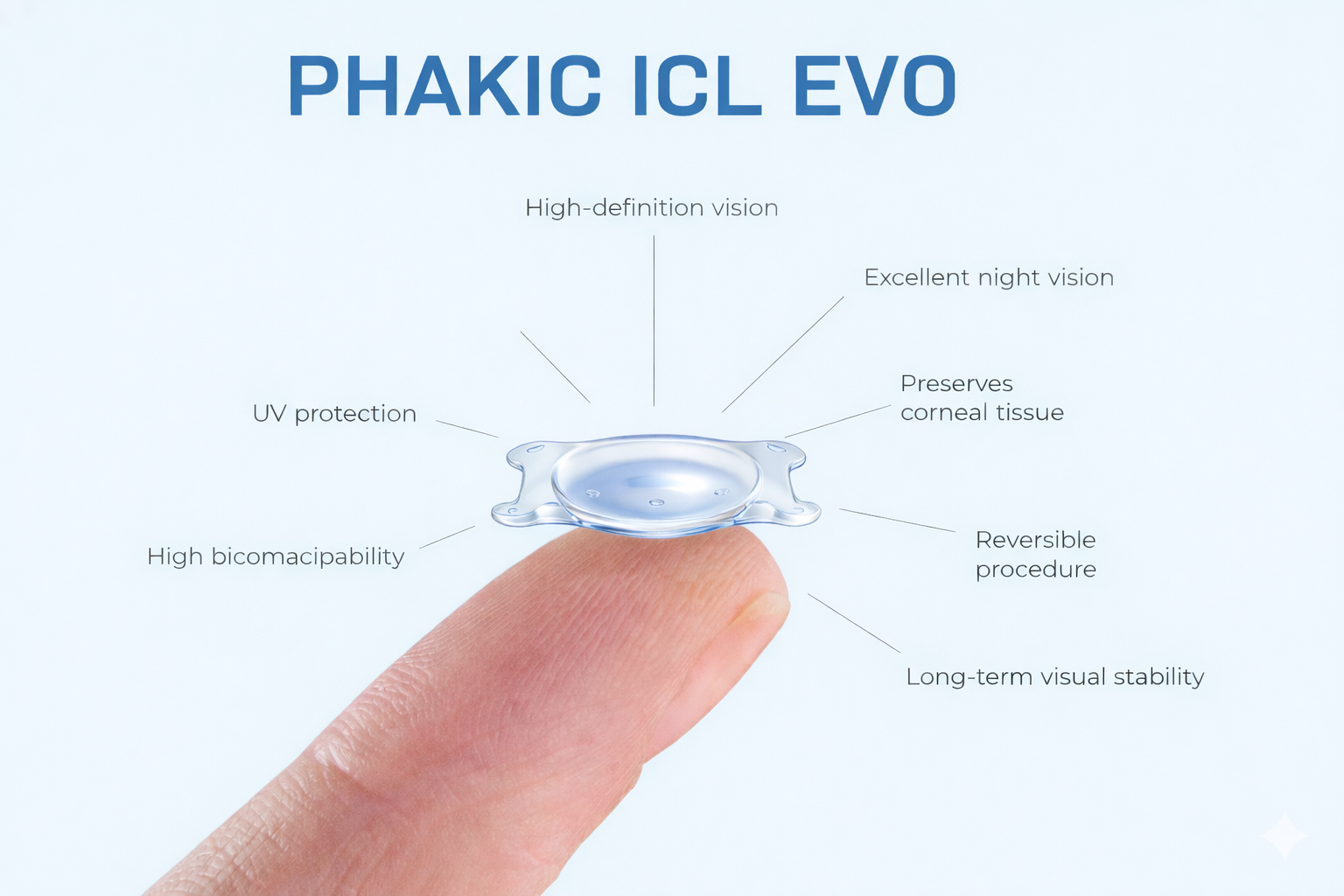
Phakic ICL implantation is a refractive correction procedure that involves placing a thin lens in the posterior chamber, behind the iris and in front of the natural crystalline lens.
Unlike conventional eyeglasses, which merely alter the path of light before it enters the eye, ICL functions directly within the internal optical system, optimizing the focal point onto the retina without modifying corneal structure.
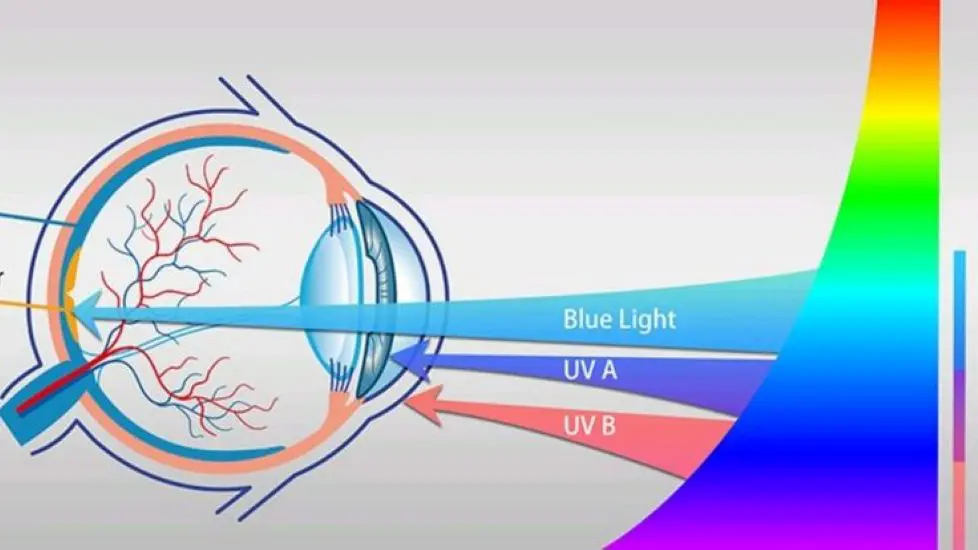
The Collamer material used in Phakic ICL is capable of absorbing ultraviolet radiation and selectively filtering a portion of high-energy short-wavelength light. Therefore, the function of the lens extends beyond basic refractive correction by integrating a physiological optical protection component, exceeding simple dioptric adjustment.
However, it is important to emphasize that this filtering capacity is modulatory in nature and does not constitute a complete blockade of the blue light spectrum.
Blue Light and Its Actual Impact on the Eye
Blue Light and Its Actual Impact on the Eye
Blue light belongs to the wavelength range of approximately 400–500 nm within the visible light spectrum. It is a natural component of sunlight and is also present in artificial light sources such as LED screens, smartphones, and computers.
From a physiological perspective, blue light plays an essential role in regulating circadian rhythms by stimulating intrinsically photosensitive retinal ganglion cells. Through this mechanism, the body maintains daytime alertness and synchronizes the sleep–wake cycle.
Current research indicates that blue light emitted from electronic devices at typical usage levels has not been conclusively proven to cause long-term retinal damage in healthy individuals. Most symptoms reported by users, such as eye strain, dryness, and headaches, are categorized under Computer Vision Syndrome and are associated with:
- Reduced blink rate during near work
- Sustained accommodative effort over prolonged periods
- Suboptimal lighting environments
Therefore, the core issue does not lie solely in blue light exposure but rather in behavioral patterns related to device usage.
Does the Eye Become More “Sensitive” After ICL Surgery?

Does the Eye Become More “Sensitive” After ICL Surgery?
From an anatomical and physiological standpoint, ICL does not increase pathological sensitivity to blue light. The lens is positioned behind the iris, does not contact the corneal surface, and does not alter the eye’s natural protective mechanisms.
In the early postoperative period, some patients may perceive light more vividly or experience mild glare. However, this phenomenon is commonly related to:
- Neuroadaptation of the visual system
- Improved image quality following accurate refractive correction
- Mild physiological inflammatory responses during recovery
Once stabilization occurs, glare sensitivity typically diminishes, and there is no evidence suggesting that individuals with ICL require additional protection from blue light compared to the general population.
Is Blue Light–Blocking Eyewear Necessary After ICL?
Based on current scientific evidence, the use of blue light–blocking glasses after ICL implantation is not considered a mandatory medical requirement.
There are three primary reasons:
First, Phakic ICL already incorporates partial filtration of ultraviolet radiation and high-energy visible light.
Second, blue light emitted from screens has not been demonstrated to cause retinal damage at conventional exposure levels.
Third, the principal contributors to digital eye strain are prolonged accommodation and decreased blink frequency rather than the absence of a blue light filter.
Therefore, wearing blue light–blocking glasses after surgery is not obligatory but may be considered a personal preference if the patient experiences subjective comfort.
Postoperative Care After ICL
Instead of focusing on additional blue light filters, postoperative visual care strategies should prioritize optimizing the working environment and adopting healthy device usage habits.
Periodic visual rest, such as taking a 2–5 minute break to look at distant objects or gently close the eyes after every 30–60 minutes of near work, provides greater physiological benefit than relying solely on optical filtration.
Additionally, attention should be given to:
- Maintaining an appropriate viewing distance from the screen
- Ensuring adequate and evenly distributed ambient lighting
- Avoiding device use in completely dark environments
- Using artificial tears if symptoms of ocular dryness occur
These factors directly influence tear film stability and accommodative function.
When Might Blue Light–Filtering Glasses Be Considered?
In certain specific situations, blue light–blocking glasses may be considered as a supportive measure for symptom relief, such as:
Individuals working intensively in front of screens for extended hours
Individuals with a history of light-associated headaches
Individuals who experience subjective discomfort when exposed to LED lighting
Nevertheless, it should be clearly understood that this is not a mandatory indication but rather a choice based on personal experience and professional medical assessment.

 25/02/2026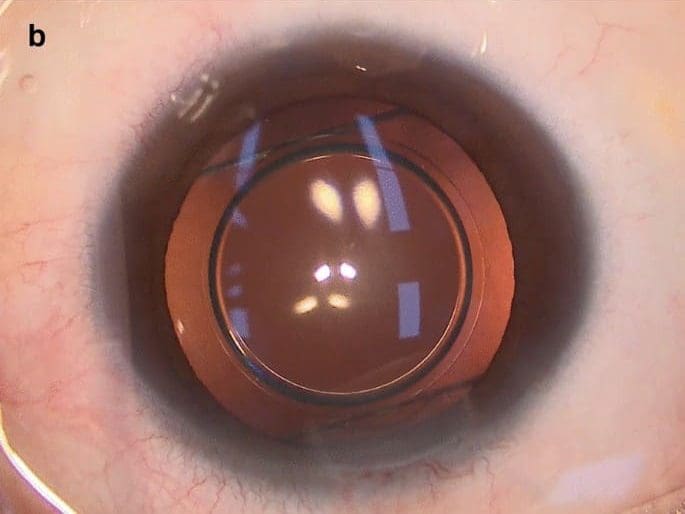















 0916.741.763
 Appointment