

 vi
vi 28-Jan-2026
 4,275
4,275 What Are Artificial Tears?
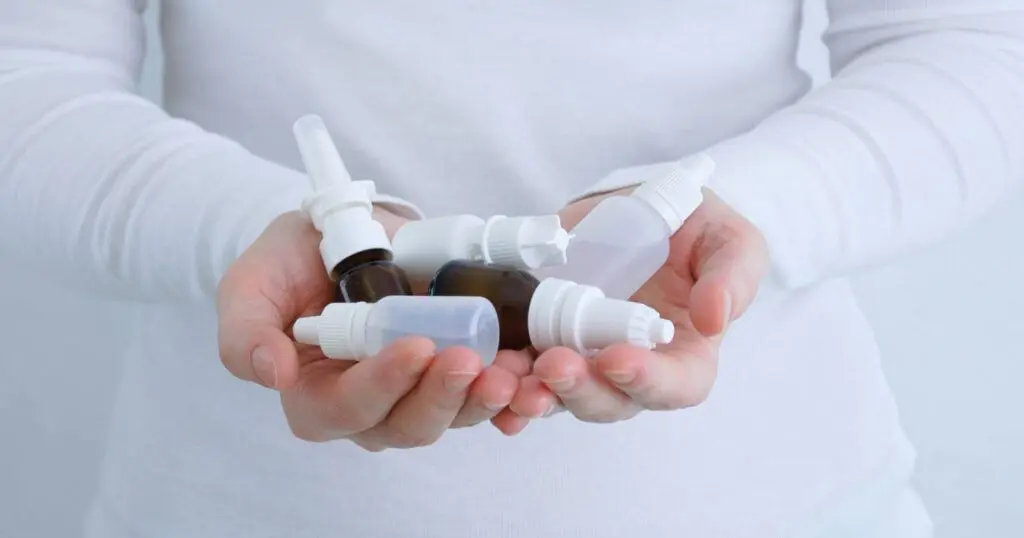
What are artificial tears?
Artificial tears have long been a familiar solution for many people experiencing dry eyes, grittiness, burning sensations, and eye fatigue when working extensively on computers or living in air-conditioned environments. However, many people still believe that artificial tears are merely a “harmless” eye drop that can be used freely, assuming that the more frequently they are applied, the better. In reality, improper use of artificial tears can irritate the ocular surface, mask underlying eye conditions, and prolong dry eye symptoms instead of relieving them.
Artificial tears are solutions designed to mimic natural tears, helping to lubricate and protect the ocular surface. They are commonly prescribed for individuals with reduced tear production or disorders affecting tear film quality.
Benefits of Artificial Tears

Benefits of artificial tears
The composition of artificial tears varies depending on the manufacturer, but generally includes hydrogels, mineral salts, bioadhesive agents, and may or may not contain preservatives. Thanks to these components, artificial tears provide several benefits for eye health, such as:
- Moisturizing the eyes and rapidly reducing dryness, burning, grittiness, and heat sensations (common symptoms in people with dry eye)
- Protecting the ocular surface, as some formulations contain hyaluronic acid that supports the regeneration of corneal surface cells and improves the moist environment essential for eye health
- Maintaining moisture balance, with bioadhesive agents allowing the solution to remain on the eye surface longer, thereby providing more stable and comfortable hydration
Because of these benefits, artificial tears are widely used in everyday eye care.
Who Should Use Artificial Tears?
According to ophthalmologists’ recommendations, artificial tears are suitable for various groups, especially:
- People who frequently experience stinging, burning, foreign body sensation, excessive tearing, or occasional blurred vision.
- Individuals who work extensively with computers or smartphones, stay in air-conditioned environments, or are frequently exposed to dust and pollution.
- Older adults and women in the premenopausal and menopausal stages, when tear secretion naturally declines.
- Contact lens wearers, individuals after refractive surgery, or those with certain conditions affecting the conjunctiva, cornea, or lacrimal glands.
However, being in the “recommended” group does not mean artificial tears can be used indiscriminately without medical consultation.
Common Mistakes When Using Artificial Tears
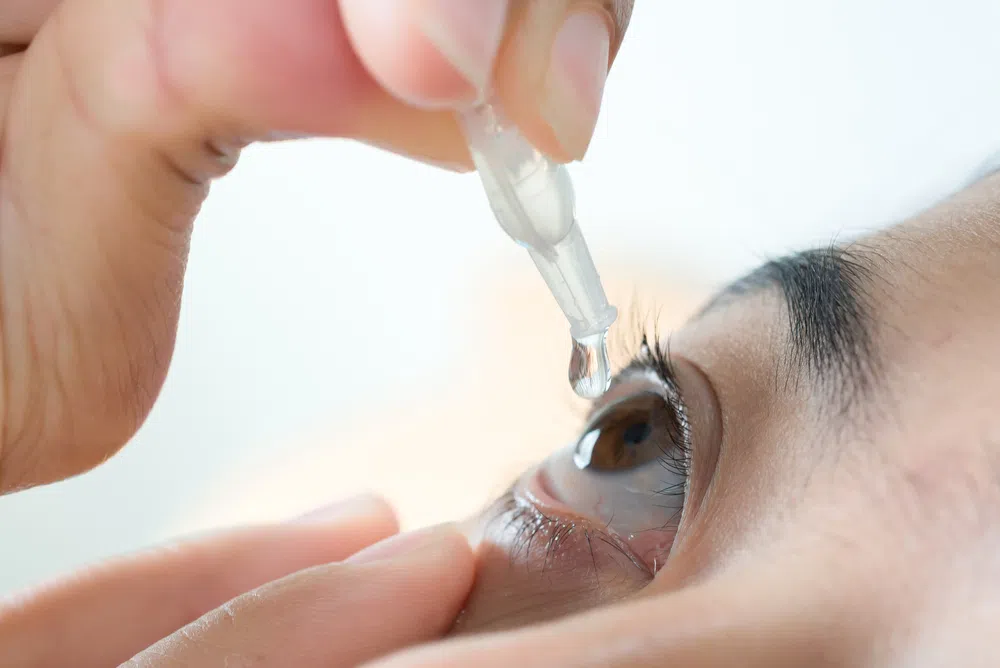
Common mistakes when using artificial tears
Using Excessive Doses Beyond Recommendations
One of the most common misconceptions is believing that “the drier the eyes, the more drops should be used.” In fact, artificial tears only provide temporary moisture and cannot fully replace natural tears, which contain essential components such as mucins, antibacterial enzymes, and antioxidants.
Overusing artificial tears, especially those containing preservatives, can disrupt the tear film balance, cause irritation, and lead to long-term dependence on eye drops.
Overworking the Eyes
Many people feel immediate relief after using artificial tears and then continue working for long hours in front of screens. This unintentionally forces the eyes to over-accommodate, causing dry eye symptoms to recur quickly.
Artificial tears should be considered a supportive measure only. For sustainable improvement, it is essential to combine their use with proper rest, the 20-20-20 rule, adequate blinking, and a healthy daily routine.
Self-Prescribing Without a Doctor’s Recommendation
There are many types of artificial tears available on the market, differing in viscosity, composition, and preservatives. Each formulation is suitable for specific causes and severities of dry eye.
Self-selecting and using artificial tears without guidance may result in choosing an unsuitable product, leading to irritation, redness, or worsening dry eye symptoms without realizing it.
Using Artificial Tears When Abnormal Eye Symptoms Are Present
Many people immediately use artificial tears as a quick fix when they experience redness, eye pain, or persistent blurred vision. This is a very common mistake.
These symptoms may be associated with conjunctivitis, keratitis, glaucoma, or other eye conditions that require accurate diagnosis. Using artificial tears in such cases can mask symptoms, allowing the disease to progress silently and become more difficult to treat.
Ignoring Potential Side Effects
Although generally considered safe, artificial tears may still cause side effects such as burning, itching, irritation, or temporary discomfort after instillation. If these symptoms persist or worsen, users should discontinue use and consult an eye care specialist.
Important Notes When Using Artificial Tears
To ensure safety and effectiveness when using artificial tears, keep the following points in mind:
- Do not use multiple types of artificial tears or other eye drops at the same time. If combination therapy is necessary, space each product at least 5–10 minutes apart.
- The dosage and frequency depend on the underlying cause and severity of dry eye, so long-term use should be guided by an ophthalmologist.
- Store artificial tears at room temperature, between 15–30°C. After opening, most bottles should be used within 2–4 weeks.
- For single-use preservative-free vials, avoid touching the tip to any surface and discard the vial if not used immediately after opening.
- Discontinue use immediately if the solution changes color, becomes cloudy, or develops an unusual odor.
Artificial tears are a helpful solution for eye care and protection, especially for individuals who frequently experience dry eye. However, improper use can lead to unintended consequences. Understanding their true benefits, avoiding common mistakes, and following your doctor’s guidance will help you use artificial tears more effectively, ensuring long-term eye health and safety.

 01/02/2026











 0916.741.763
 Appointment