

 vi
vi 21-Jan-2026
 16,150
 What Is Phakic ICL Surgery?
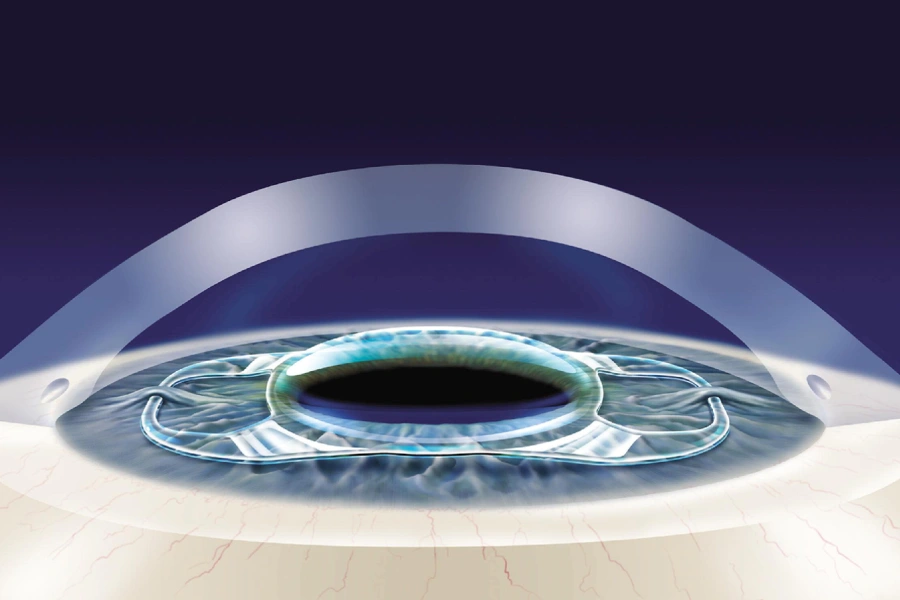
What is Phakic ICL surgery?
Phakic ICL surgery has been attracting increasing attention, especially among people with severe myopia, high astigmatism, or thin corneas who are not suitable candidates for laser vision correction. One of the most common questions patients ask is: Can a Phakic ICL be removed? If so, what does the process involve and what should be considered?
In this article, let’s explore in detail what Phakic ICL surgery is, who it is suitable for, its key advantages, the possibility of lens removal when necessary, and important pre- and post-operative considerations.
Phakic ICL surgery is a refractive vision correction method that involves implanting an artificial intraocular lens inside the eye, specifically positioned behind the iris and in front of the natural crystalline lens.
The Phakic ICL functions similarly to eyeglasses or contact lenses but remains permanently inside the eye, helping to correct refractive errors such as myopia, astigmatism, and hyperopia in a stable and long-lasting manner.
The most significant difference between Phakic ICL and laser-based procedures is that it does not ablate or thin the cornea, thereby expanding treatment options for individuals with thin corneas or very high refractive errors.
Which Refractive Errors Can Phakic ICL Treat?

Which refractive errors can Phakic ICL treat?
Phakic ICL is currently considered the refractive surgery option with the highest treatment range available today. Depending on the type of lens and individual clinical indications, it can correct:
- Myopia of up to approximately 18–30 diopters
- Associated astigmatism of up to 6–10 diopters
Thanks to its internal optical correction mechanism, Phakic ICL significantly improves vision without altering the structure of the cornea.
Who Is Phakic ICL Surgery Suitable For?
Not everyone is eligible for Phakic ICL surgery. Patients must meet certain criteria to ensure long-term safety and effectiveness:
- 18 years of age or older
- Stable refractive error, with changes not exceeding 0.75 diopters over a 6-month period
- No corneal diseases such as keratoconus, corneal dystrophy, or central corneal scarring
- No glaucoma, serious retinal disease, or cataracts
- Adequate endothelial cell density for age
- Sufficient anterior chamber depth with a non-narrow angle
If the patient has conjunctivitis or other ocular infections, these conditions must be fully treated before undergoing surgery.
Outstanding Advantages of Phakic ICL
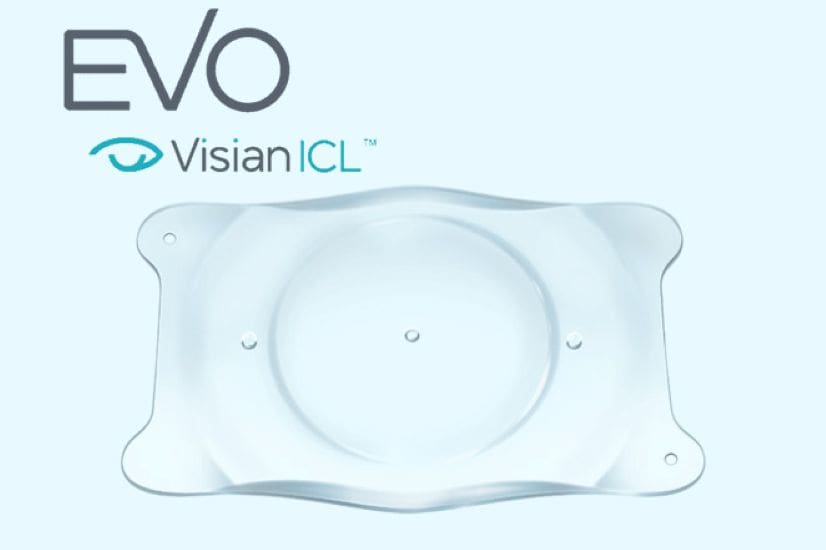
Outstanding advantages of Phakic ICL
Phakic ICL is considered a “lifesaving solution” for patients with high refractive errors thanks to several outstanding advantages:
First, this method does not damage the cornea or remove corneal tissue, significantly reducing the risk of dry eyes, glare, halos at night, and other common side effects associated with laser refractive surgery.
Second, post-operative visual quality is often exceptionally high. Many patients report sharper, clearer vision with better depth perception compared to wearing glasses. In addition, the Phakic ICL is made from a highly biocompatible material and is custom-designed for each eye, helping maintain stable vision over the long term.
Notably, in certain situations, the Phakic ICL can be removed to allow for other ophthalmic procedures, such as cataract surgery later in life.
Can a Phakic ICL Be Removed?
This is a question of great interest to many patients. From a medical perspective, Phakic ICL is flexible and can be removed when there is an appropriate clinical indication. Lens removal may be considered in cases such as:
- When the patient requires cataract surgery
- Significant changes in refractive status
- Rare complications related to the anterior chamber or crystalline lens
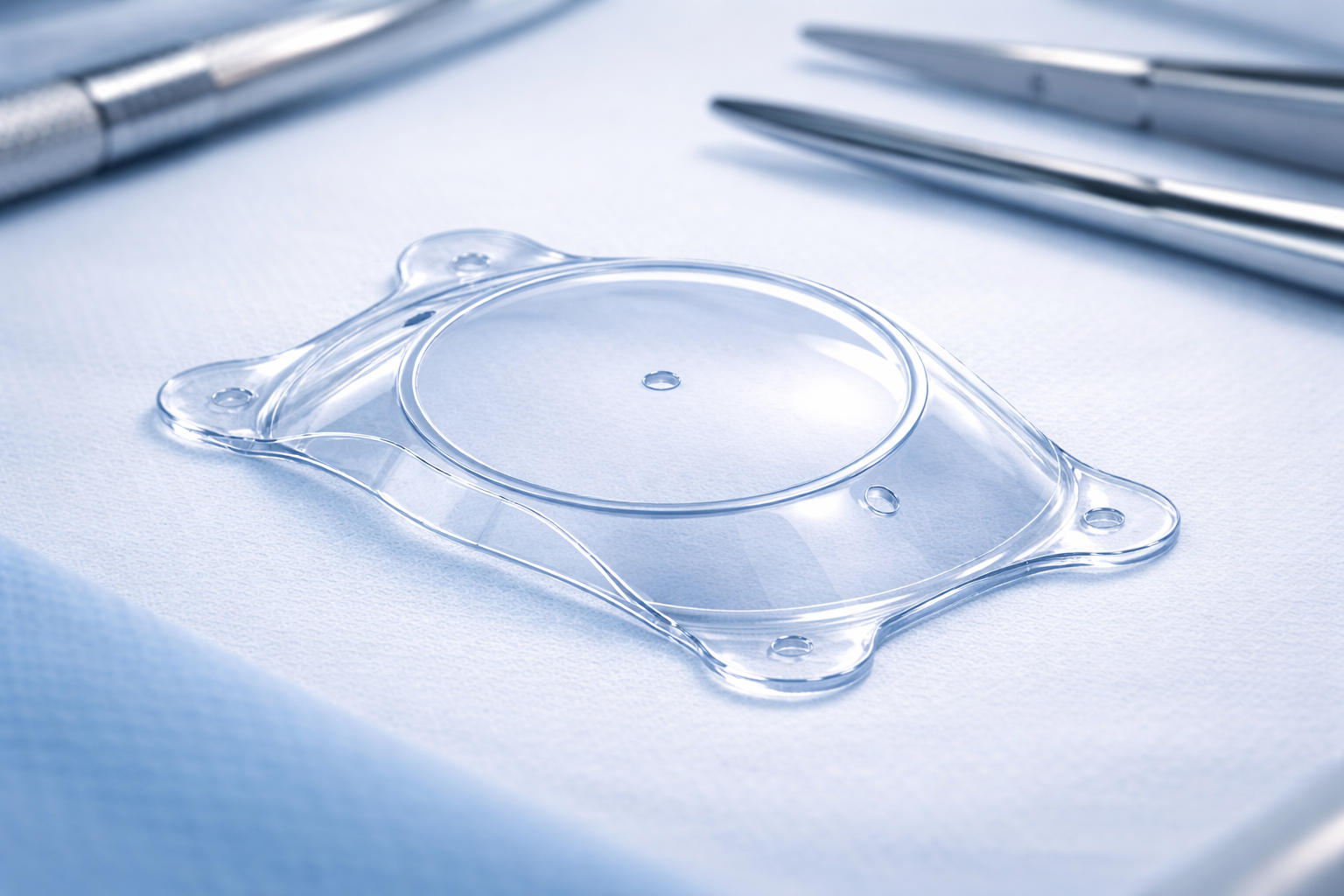
The lens removal procedure is performed by an ophthalmologist through a small incision similar to that used during implantation. This is not a routine procedure and is unnecessary if the eye remains stable and there is no medical indication.
Phakic ICL Surgical Procedure
The Phakic ICL surgical process is relatively quick and gentle:
After local anesthesia is administered, the surgeon creates a very small incision at the corneal periphery. The Phakic ICL is folded and inserted into the eye, then carefully positioned behind the iris and in front of the natural lens.
The entire procedure typically takes about 15–20 minutes per eye. The patient remains awake throughout and can return home the same day.
The cost of Phakic ICL surgery is generally higher than laser procedures because the lenses are imported and custom-manufactured according to individual eye measurements. The exact cost depends on the lens type, eye condition, medical facility, and the surgeon’s expertise. Patients are advised to undergo a direct examination for accurate consultation.
What Do Patients Experience After Phakic ICL Surgery?
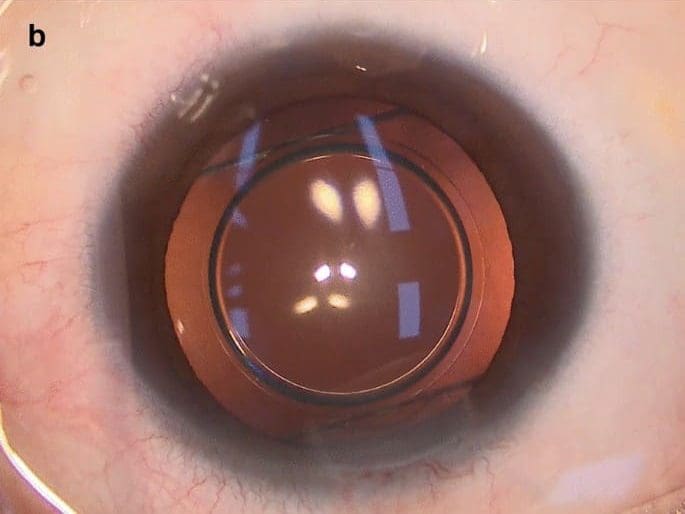
Thanks to its small, thin design and high biocompatibility, patients typically do not feel any foreign body sensation after lens implantation. Most notice a significant improvement in visual clarity. Many can see more clearly within 1–2 days, with vision continuing to stabilize over the following weeks.
Phakic ICL does not alter the corneal structure or affect the eye’s natural accommodation mechanism. Therefore, if refractive error was stable before surgery, the risk of myopia recurrence is very low.
Post-Operative Care and Daily Activities After Phakic ICL
To ensure long-term results, patients should note the following:
- Use prescribed eye drops correctly and as directed by the doctor
- Avoid rubbing the eyes and limit exposure to dust and chemicals during the first month
- Get adequate rest and limit screen use during the first week
- Attend follow-up visits as scheduled
Phakic ICL surgery is a modern, safe, and highly effective solution for refractive error correction, particularly suitable for patients with high myopia or astigmatism and thin corneas. When medically indicated, Phakic ICL lenses can be removed, providing flexibility and peace of mind for patients.
If you are considering this procedure, visit a reputable eye care center for accurate, personalized consultation for your eyes.
 10/03/2026












 0916.741.763
 Appointment