

 vi
vi
 04/01/2026
 29.8K
29.8KHow Does Wearing Contact Lenses Overnight Harm Your Eyes?
In today’s fast-paced lifestyle, many people rely on contact lenses as a convenient solution to improve both vision and appearance. However, quite a few individuals, due to fatigue or carelessness, forget to remove their contact lenses before going to sleep. This seemingly minor habit can actually cause serious eye damage and may have long-term effects […]

Post-Phakic Surgery Eye Care Roadmap by Recovery Stages
What Is Phakic ICL Surgery? Phakic ICL surgery is becoming an increasingly popular solution for treating high myopia, astigmatism, and hyperopia thanks to its ability to preserve the cornea, enable rapid visual recovery, and deliver long-lasting sharp vision. However, to achieve optimal visual outcomes and minimize potential complications, proper eye care after Phakic surgery is […]
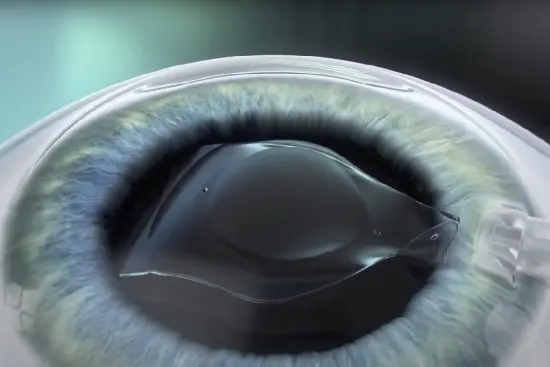
Myopia Surgery Review for -10 Diopters with Phakic ICL
Myopia Surgery Review After Nearly 20 Years of Wearing Glasses From a very young age, Ngoc Anh had to “live with” a thick pair of myopia glasses as an inseparable part of her daily life. For nearly 20 years, those glasses were almost an extension of herself—until the young woman born in 1999 decided to […]

Does Daily Makeup Make Myopic Eyes More Prone to Dryness?
Does Makeup Cause Dry Eyes? In modern life, makeup has become a daily habit for many people, especially young women, office workers, and those who communicate frequently. However, along with the desire for beauty, many people with myopia have begun to notice that myopic eyes are more prone to dryness, irritation, transient blurred vision, or […]

5 Common Signs of Myopia in Children Parents Should Know
The Current Situation of School-Age Myopia According to the World Health Organization (WHO) and the American Academy of Ophthalmology (AAO), the prevalence of myopia among children in Asia may exceed 50–60% during school age, especially in major urban areas. Vietnam is no exception to this trend, as children are spending increasing amounts of time using […]

3 Situations Where to Choose Phakic Premium Over Laser
For many years, corneal laser surgeries such as LASIK, SMILE, or PRK have helped millions of people free themselves from glasses. However, laser procedures are not a suitable option for everyone. In reality, a considerable number of patients are advised after a comprehensive examination that their eyes do not meet the safety conditions required for […]
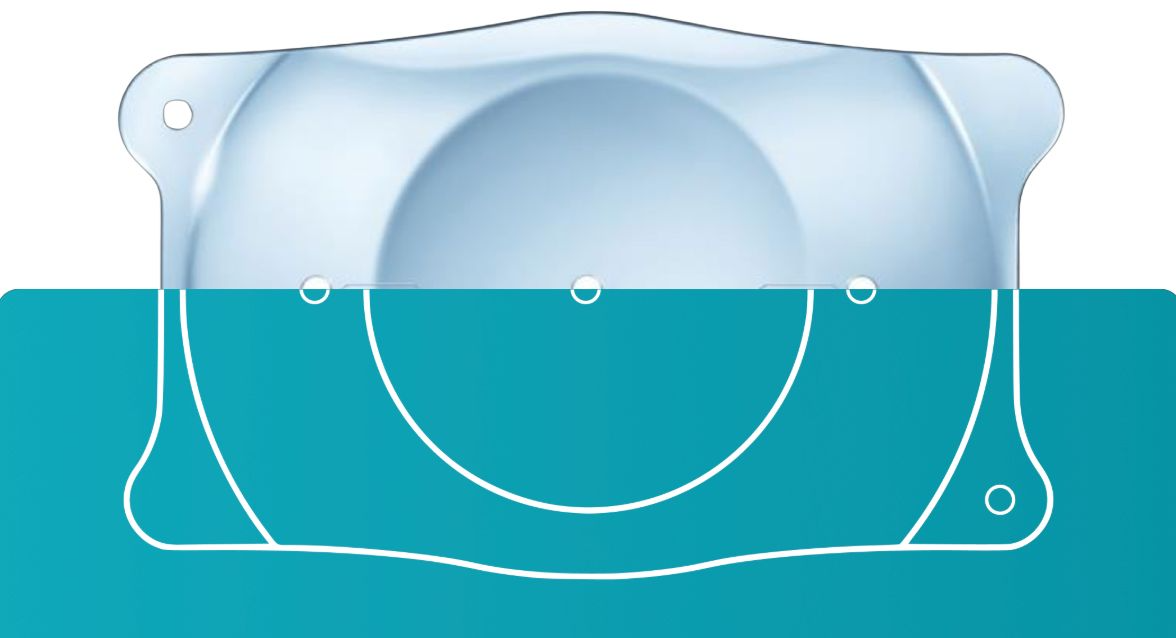
The role of Phakic Premium in the treatment of severe myopia
As severe myopia becomes increasingly common, especially among young people and office workers, finding a solution that is both effective and safe for the cornea is a top priority. Phakic Premium is considered a standout option, meeting these stringent requirements. What is Phakic Premium surgery? Phakic Premium is a refractive surgery method that corrects vision […]

PHAKIC – “A lifesaver” for people with severe myopia, astigmatism, and hyperopia
For individuals with high levels of myopia, hyperopia, or astigmatism, finding a safe and long-term vision correction method is not always easy. Phakic surgery was developed as an effective solution for special eyes, particularly for those who are not suitable candidates for corneal laser procedures. What is Phakic? Phakic is a refractive error treatment method […]

APPLICATION OF ARTIFICIAL INTELLIGENCE IN PHAKIC ICL SURGERY AT HONG NGOC CENTER
On the morning of December 20, 2025, the Eye Center of Hong Ngoc General Hospital, in collaboration with Sonomed (USA), organized a training workshop themed “Clinical Application of UBM AI in Phakic ICL Surgery.” The event aimed to update the latest technological advances in diagnostic imaging, contributing to improved effectiveness and safety in Phakic ICL […]

Should office workers with high myopia choose Phakic ICL?
Office workers with high myopia are increasingly becoming a “high-risk group” in modern society. Working 8–10 hours a day in front of computer screens, constant exposure to blue light, and limited outdoor activity all contribute to rapidly progressing and difficult-to-control myopia. As glasses become thicker and contact lenses cause dry eye, many people begin to […]


