

 vi
vi
 14/01/2026
 26.7K
26.7KWhich age is most suitable for Phakic ICL surgery?
Myopia surgery today is not only about choosing the right method, but also choosing the right timing. For individuals with high myopia, thin corneas, or those who are not suitable candidates for laser procedures, Phakic ICL is considered an effective and safe solution. However, many people still wonder: “At what age should Phakic ICL surgery […]

The Role of Dopamine in Preventing Myopia Development
What Is Myopia? Myopia is one of the most common refractive errors today, affecting billions of people worldwide. Beyond making distance vision unclear, myopia tends to progress rapidly in children and adolescents, leading to many long-term risks to eye health. As the prevalence of myopia continues to rise, scientists have been increasingly focused on exploring […]

What to Eat and Avoid for Faster Recovery After Myopia Surgery
Myopia surgery helps patients significantly improve their vision and reduce dependence on glasses or contact lenses. However, whether visual outcomes remain stable in the long term depends greatly on the post–myopia surgery care phase. In addition to following medication instructions, avoiding eye rubbing, and attending follow-up visits as scheduled, diet after myopia surgery plays an […]

Ophthalmologist’s Experience with Myopia Surgery Using Phakic ICL
“The moment the eye patch is removed is an indescribable happiness. No more glasses, one eye 10/10, the other 12/10 – something I never thought possible before.” – shared by ophthalmologist Dr. Tấn Thịnh. For Dr. Tấn Thịnh, the greatest value is not just the new vision, but also the gentle experience during surgery thanks […]
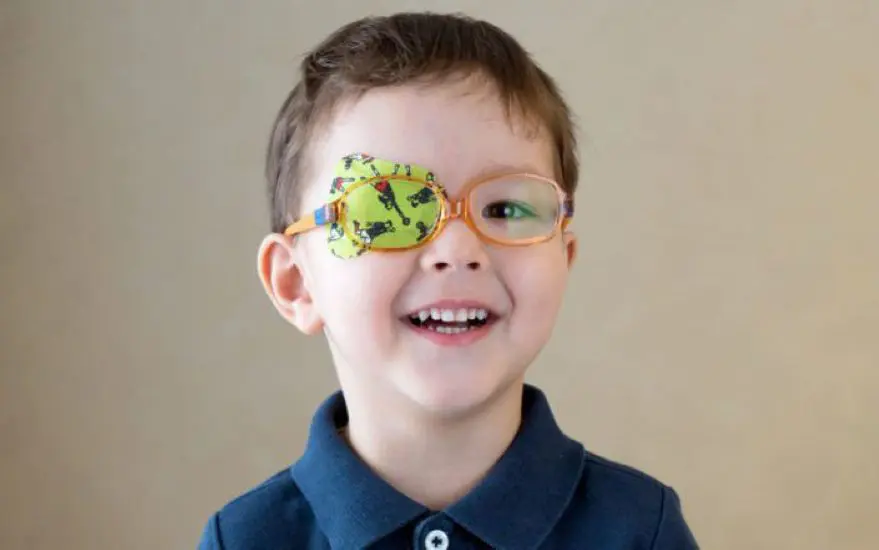
Lazy Eye in Young Children Requires Early Intervention
In recent years, vision problems in children have become a major concern for families and society. According to a 2024 survey by the Vietnam Ophthalmology Council, there are currently around 5 million children nationwide with refractive errors, accounting for 30–40% of school-age children. Notably, in major cities such as Hanoi and Ho Chi Minh City, […]

3 Common Misconceptions About Presbyopia Treatment
What Is Presbyopia? Presbyopia is one of the most common vision changes people experience after the age of 40. However, despite its prevalence, proper understanding of presbyopia treatment remains limited. Many people accept blurred near vision when reading, using a phone, or doing close-up work as an “inevitable part of aging,” while modern ophthalmology now […]

HONORING MASTER, MD NGUYEN PHU TUNG FOR ACHIEVING THE MILESTONE OF 500+ SUCCESSFUL PHAKIC ICL EVO SURGERIES
On January 8, 2026, at Saigon Eye Hospital – Ngo Gia Tu, STAAR Surgical proudly honored Dr. Nguyen Phu Tung – refractive surgery specialist and Chief Executive Officer of Saigon Eye Hospital – Ngo Gia Tu, for surpassing the milestone of more than 500 successful Phakic ICL EVO surgeries. This is not just a number. […]
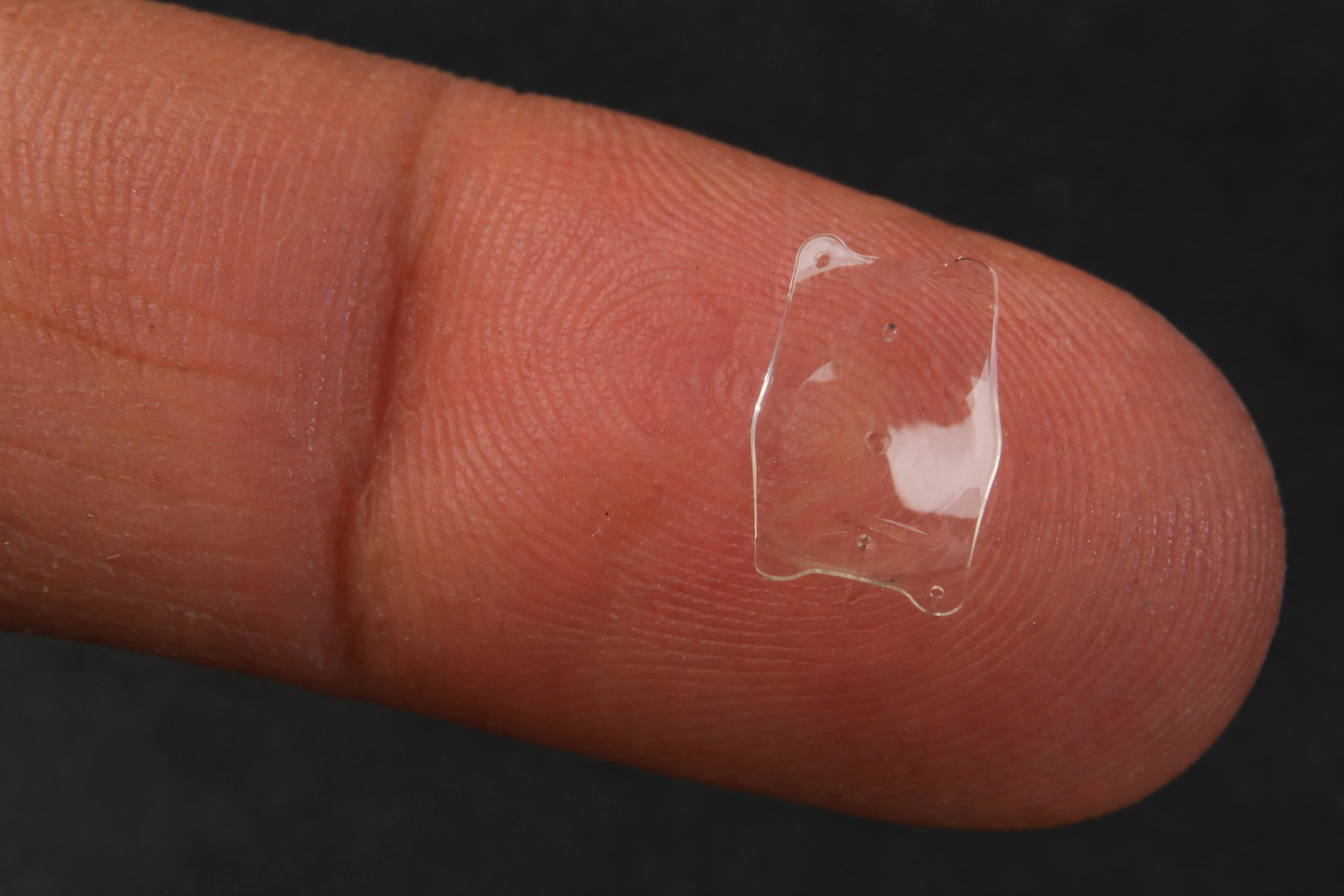
Phakic ICL Surgery: Treatment Timeline and Duration
What is Phakic ICL surgery? Phakic ICL surgery is increasingly chosen by patients with high myopia, significant astigmatism, or thin corneas as a safe and long-term vision correction solution. However, unlike LASIK or SMILE, treatment with Phakic ICL is not limited to the day of surgery alone but also includes a waiting period for a […]

How Are Hyperopia and Presbyopia Different?
Why Are Hyperopia and Presbyopia Often Confused? Hyperopia and presbyopia are two very common vision conditions, especially among adults and middle-aged individuals. Their most noticeable similarity is that both cause blurred vision at near distances, making it difficult to read, use smartphones, or perform detailed tasks. Because their symptoms appear similar, many people mistakenly assume […]

Can Congenital Astigmatism Be Cured?
What Is Congenital Astigmatism? Congenital astigmatism is a refractive error that appears from birth or during the early years of life, caused by uneven development of the eye’s structure. When astigmatism is present, light entering the eye does not focus properly on the retina, causing images to appear blurred, distorted, or unclear at both near […]


