

 vi
vi
 06/02/2026
 8.7K
8.7KDoes Congenital Myopia Increase Over Time?
Many parents feel very concerned when their child is diagnosed with congenital myopia at an early eye examination. One of the most common questions is: “If my child is nearsighted from such a young age, will the degree of myopia continue to increase over time? And how should I monitor my child’s vision to prevent long-term effects on eyesight?”

Vietnam–Russia International Eye Hospital accepts health insurance
Introduction to Vietnam–Russia International Eye Hospital Vietnam–Russia International Eye Hospital Ho Chi Minh City was established within the framework of the Ophthalmology Cooperation Program between Vietnam and the Russian Federation, signed by the Ministries of Health of both countries on April 12, 2007. This is a state-level cooperative project that inherits and further develops more […]
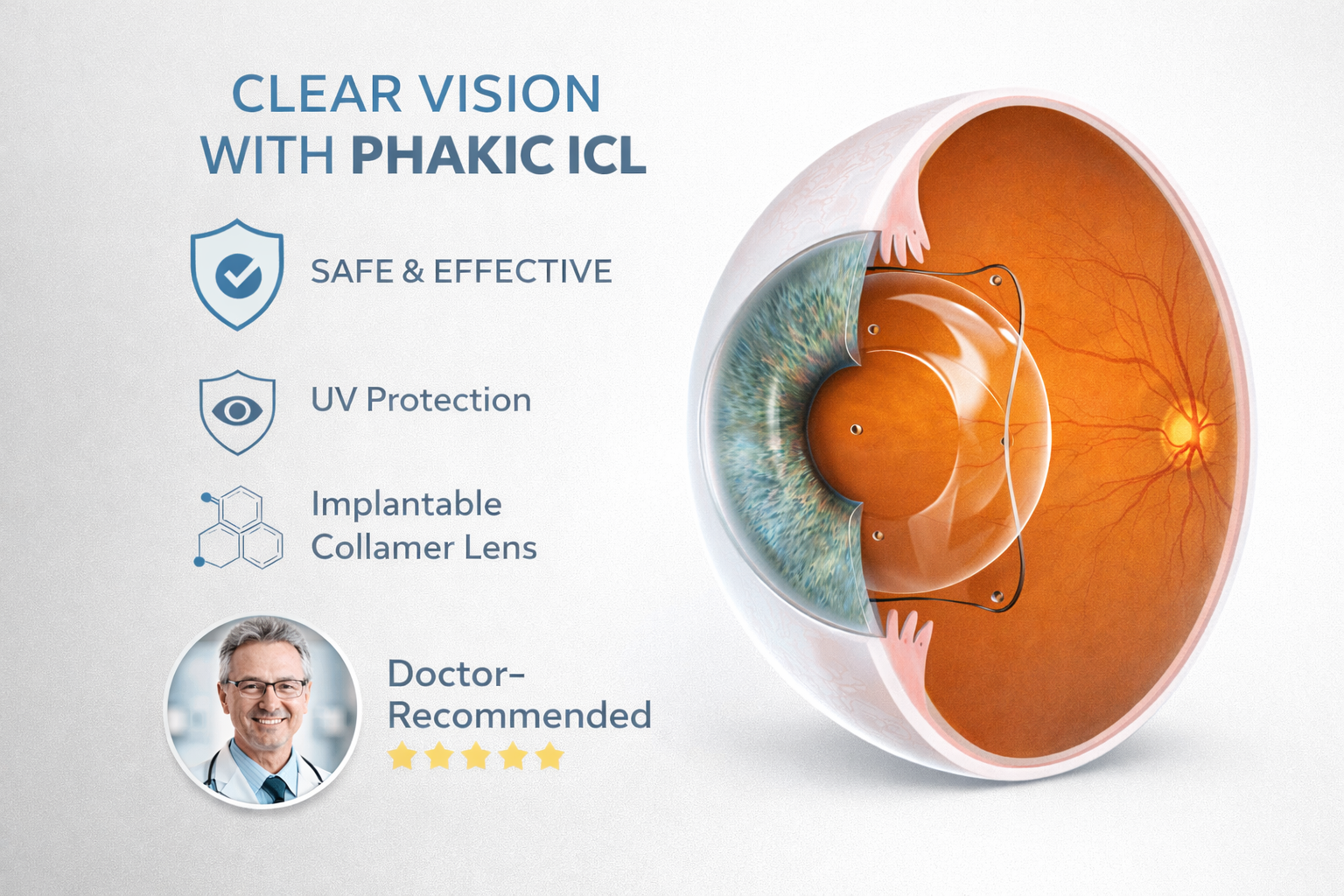
Visual Effectiveness of Phakic ICL in Treating Myopia and Astigmatism
What Is Phakic ICL? Phakic ICL is a type of intraocular lens implanted inside the eye, positioned behind the pupil and in front of the natural crystalline lens, with the purpose of refracting incoming light. Unlike LASIK, PRK, or SMILE, Phakic ICL does not remove corneal tissue; instead, it adds a refractive lens inside the […]

How Computer Screens Cause Rapid Vision Decline in Children?
Online Learning with Computer Screens Unlike reading printed books, online learning requires children’s eyes to continuously focus on light emitted from screens at a close distance. This forces the eye’s accommodative system to work continuously for long periods of time. According to ophthalmologists, when looking at screens, children blink significantly less often, causing tears to […]

Can –18.00 diopter myopia be treated with Phakic ICL?
Understanding –18.00 Diopter Myopia in Clinical Practice Myopia of –18.00 diopters is classified as very high to extreme myopia. At this level, the axial length of the eyeball is typically longer than normal, causing light rays to focus in front of the retina rather than directly on it. Patients usually rely entirely on spectacles or […]
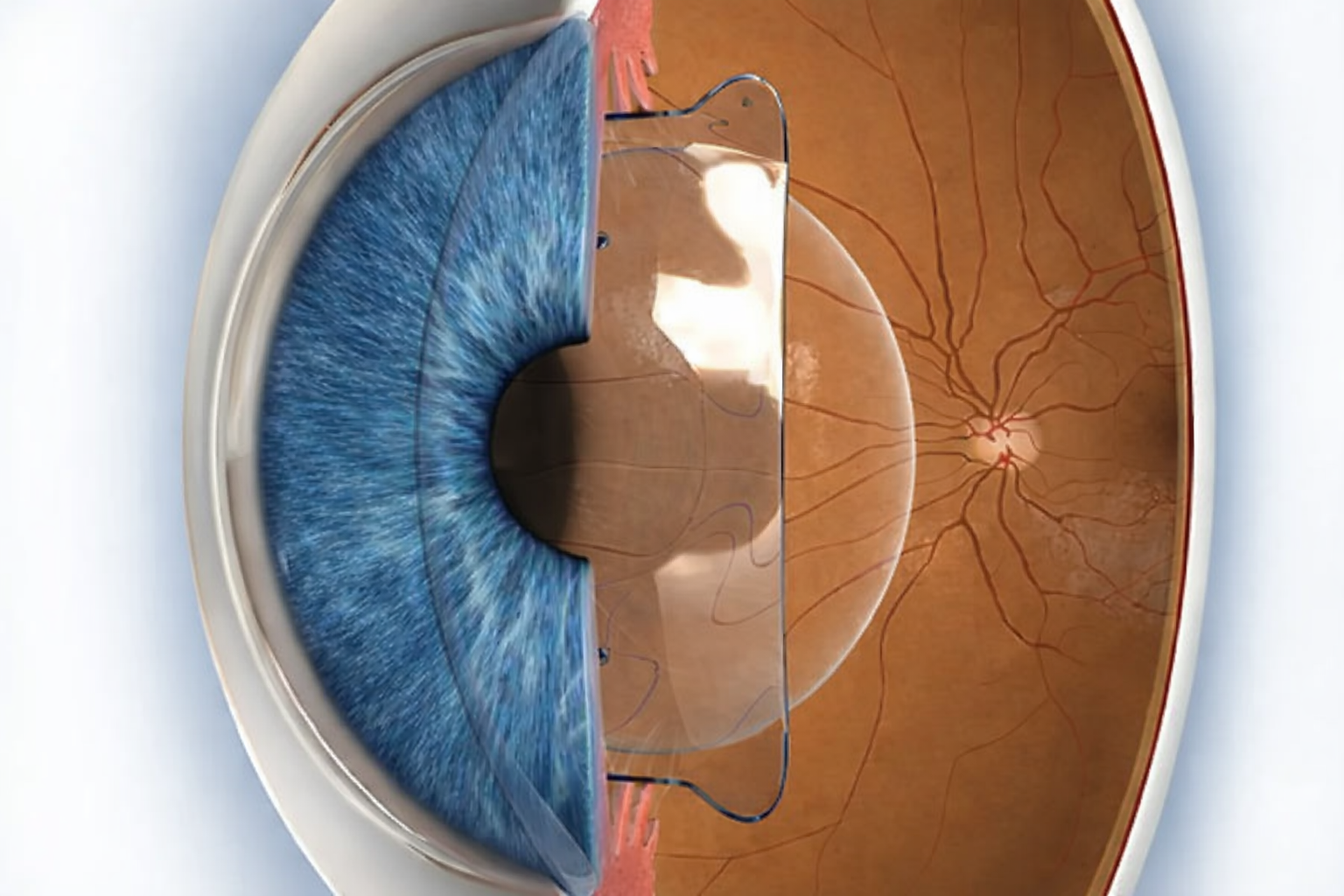
Why is Phakic ICL 2026 highly regarded by specialists?
Introduction to Phakic ICL 2026 Phakic ICL (Implantable Collamer Lens) is a refractive error treatment method that involves placing a biocompatible soft intraocular lens inside the eye, positioned between the iris and the natural crystalline lens, rather than reshaping the corneal surface as in LASIK or SMILE. Although it is not a new technique – […]

Common Mistakes When Using Artificial Tears
What Are Artificial Tears? Artificial tears have long been a familiar solution for many people experiencing dry eyes, grittiness, burning sensations, and eye fatigue when working extensively on computers or living in air-conditioned environments. However, many people still believe that artificial tears are merely a “harmless” eye drop that can be used freely, assuming that […]

Inconsistent Glasses Wear Speed Up Myopia Progression?
Many people feel reluctant to wear glasses, using them only when absolutely necessary, or even intentionally going without glasses in daily life. Few realize that inconsistent glasses wear is one of the factors that can cause myopia to progress more rapidly, leading to long-term consequences for eye health. What Are Myopia Glasses and Their Role […]
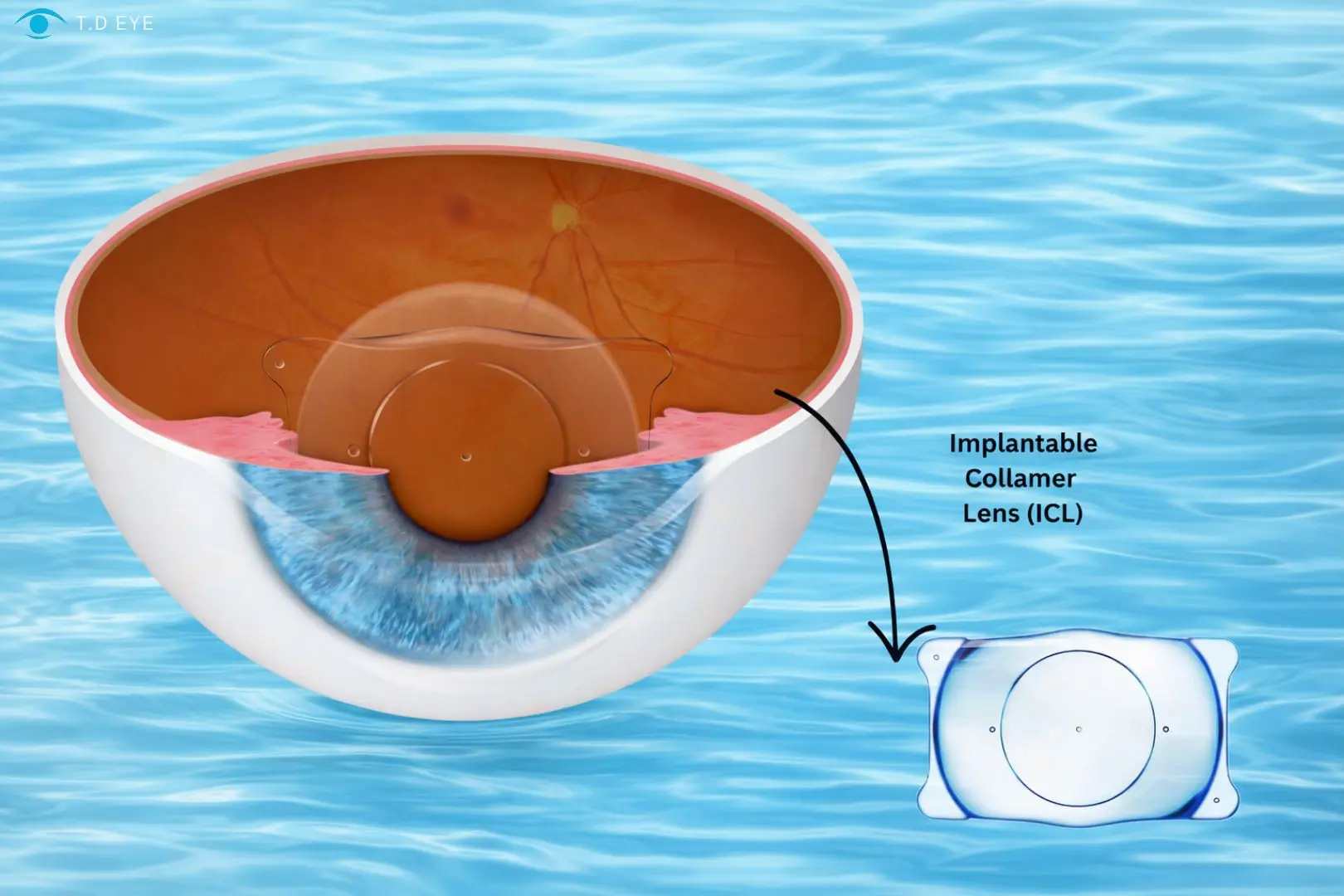
What Is Collamer Material? Its Applications in Phakic ICL
What Is Collamer and What Is It Made Of? Collamer is a proprietary material used in Phakic ICL, composed of a combination of purified collagen and a biocompatible copolymer, along with water and an ultraviolet light–absorbing agent. The presence of natural collagen in collamer gives this material a very high level of biocompatibility with human […]
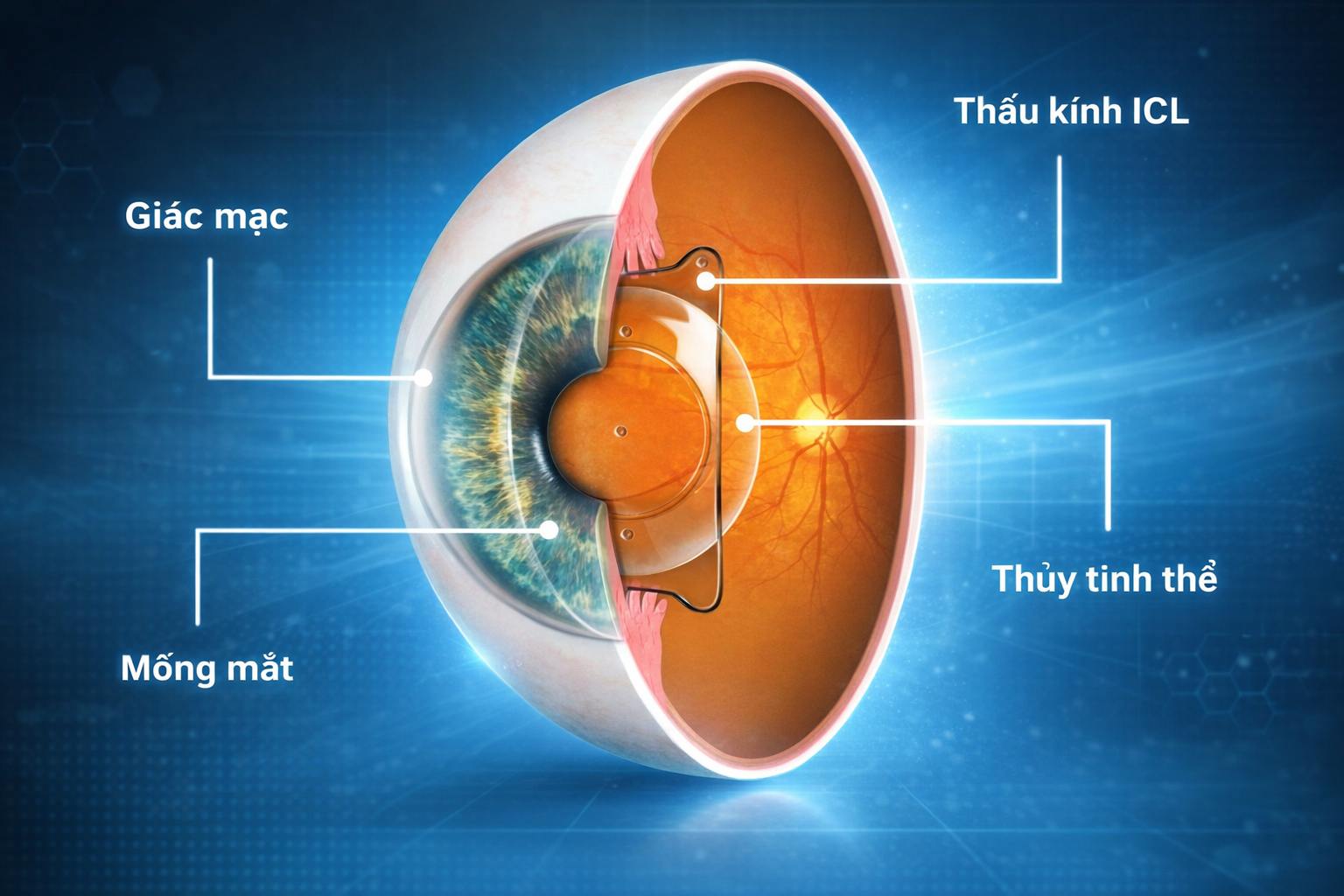
Best Myopia Correction Methods in 2026
What Is Myopia? Why Is It Important to Choose the Right Myopia Correction Method? Myopia is a refractive error that occurs when light rays focus in front of the retina instead of directly on it, causing clear vision at near distances but blurred vision when looking far away. Common causes include an elongated eyeball, excessive […]


