
 vi
vi 28-Dec-2025
 16,435
 The Current Situation of School-Age Myopia
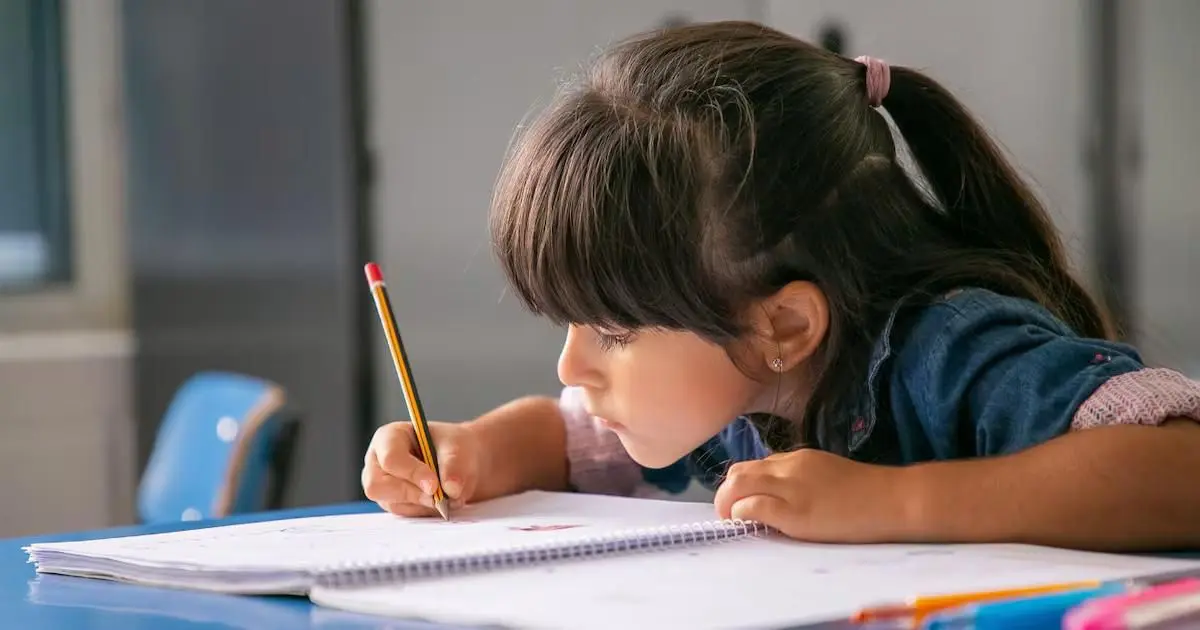
5 common signs of myopia in children parents should know
According to the World Health Organization (WHO) and the American Academy of Ophthalmology (AAO), the prevalence of myopia among children in Asia may exceed 50–60% during school age, especially in major urban areas. Vietnam is no exception to this trend, as children are spending increasing amounts of time using electronic devices, studying indoors, and lacking outdoor activities.
What is concerning is that myopia in children often progresses silently. Children may not know how to express blurred vision, while parents may easily mistake it for inattentiveness or poor concentration. If early signs of myopia are not detected, children may face the risk of:
- Rapid progression of myopia year after year
- Development of irreversible amblyopia
- Reduced learning ability and self-confidence
Below are 5 common signs of myopia in children that parents should pay special attention to.
1. Children Frequently Watch TV or Read at a Very Close Distance

Children with myopia often watch TV or read at a very close distance
This is the most common early sign of myopia, yet also the one most easily overlooked. If you notice that:
- Your child sits unusually close to the TV screen
- They lean very close to books when reading or writing
- They bring their face very close to toys or phone screens
There is a high likelihood that the child is having difficulty seeing clearly at a distance, a typical characteristic of myopia.
According to recommendations from the American Optometric Association regarding viewing distance, children should not view screens at a distance of less than 30–40 cm. Continuously shortening the viewing distance is a clear sign of myopia.
2. Children Often Squint or Tilt Their Head to See More Clearly
Squinting is a natural reflex when the eyes attempt to accommodate in order to see blurred images more clearly. Parents and teachers should pay attention when children:
- Squint when looking at the board or watching TV
- Tilt their head to one side to observe
- Frequently change seating positions to “see more clearly”
This behavior may temporarily improve the image on the retina but does not address the root cause, and may even cause eye strain and faster myopia progression. This is a typical sign of myopia in primary school-aged children.
3. Children Close One Eye When Reading or Watching TV
Closing one eye is not a normal habit. According to recent ophthalmic studies, this behavior may be associated with:
- Unequal myopia between the two eyes
- Undiagnosed astigmatism
- Binocular vision coordination disorders
When one eye sees more blurred than the other, children tend to suppress that eye to reduce discomfort. If prolonged, this condition may lead to functional amblyopia, which is very difficult to reverse after the age of 7–8. This is a dangerous sign of myopia that requires early examination.
4. Children Frequently Rub Their Eyes, Tear Excessively, or Are Sensitive to Light
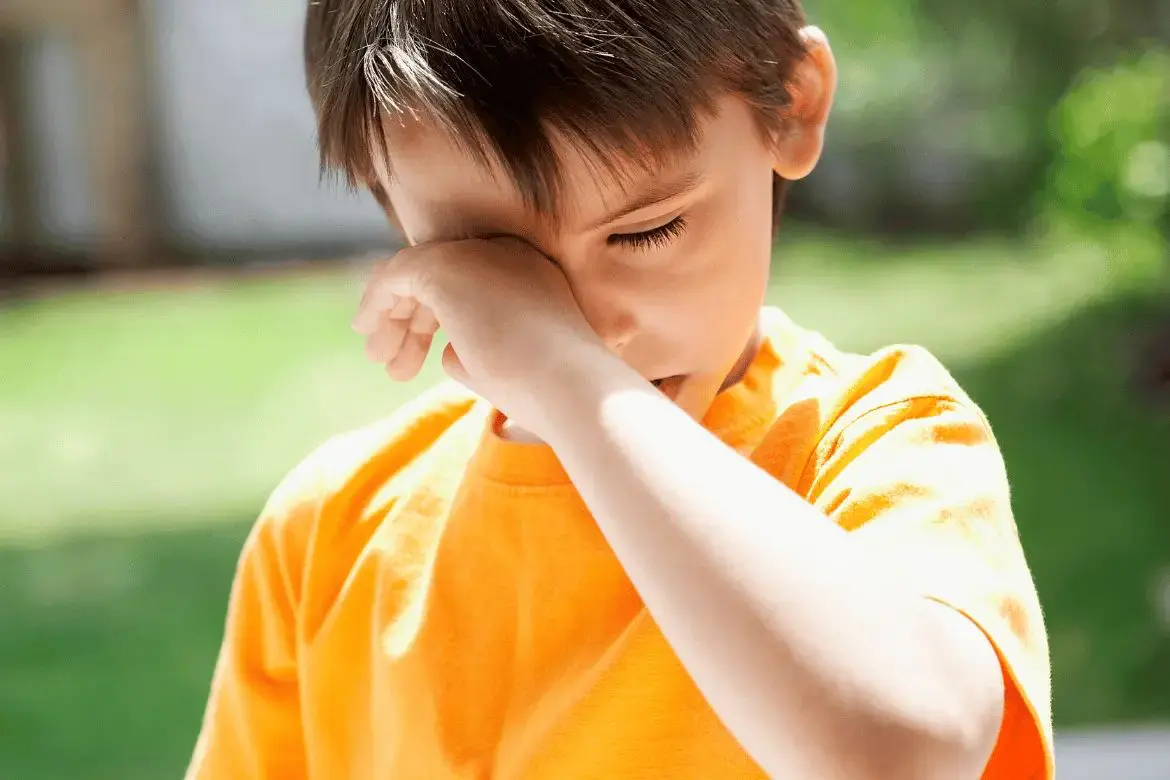
Eye rubbing, tearing, or light sensitivity is a sign of myopia in children
Many parents believe that eye rubbing is simply due to sleepiness or allergies. However, according to the International Pediatric Ophthalmology Association, frequent eye rubbing may be a manifestation of eye strain caused by refractive errors.
Associated signs include:
- Rubbing eyes after studying or using screens
- Excessive tearing when focusing
- Sensitivity to bright light, squinting in sunlight
- Complaints of headaches or mild nausea
These symptoms indicate that the child’s eyes are overworking to compensate for poor vision, an early sign of progressive myopia.
5. Declining Academic Performance Without a Clear Cause
This is an indirect but very important sign. Children with myopia often:
- Cannot see the board clearly
- Hesitate to raise their hand in class
- Frequently copy notes from classmates sitting nearby
- Lose concentration due to constant visual effort
Notably, most children do not tell their parents that their vision is blurry, as they assume it is “normal.” Many studies show that after receiving proper eye examinations and wearing correctly prescribed glasses, children’s academic performance improves significantly within just a few weeks. When academic results decline without a clear reason, parents should consider the possibility of early signs of myopia.
Other Signs of Myopia Parents Should Not Ignore
In addition to the five main signs above, children may also:
- Use a finger to track words while reading and are unable to stop after a long period
- Dislike activities requiring visual detail such as drawing or coloring
- Have difficulty seeing objects beyond a distance of 1–2 meters
- Frequently complain of eye fatigue when using a computer
When Should Children Have an Eye Examination?
According to the latest ophthalmic recommendations:
- Children from 3 years of age should have regular eye examinations
- School-aged children should have their eyes checked at least once a year
- Seek examination immediately if any of the above signs of myopia appear
Early detection helps effectively control myopia progression, reduce the risk of amblyopia, and contribute to long-term visual health for children.
Myopia is not merely about “wearing glasses” but a long-term visual development issue in children. Parents proactively recognizing early signs of myopia is the most important step in protecting their child’s eyes from an early age.
If you suspect that your child has early signs of myopia, do not wait. An early eye examination can help prevent many long-term consequences.
 23/02/2026







 0916.741.763
 Appointment