

 vi
vi 27-Dec-2025
 16,150
 For many years, corneal laser surgeries such as LASIK, SMILE, or PRK have helped millions of people free themselves from glasses. However, laser procedures are not a suitable option for everyone. In reality, a considerable number of patients are advised after a comprehensive examination that their eyes do not meet the safety conditions required for laser intervention.
In precisely these situations, Phakic Premium emerges as an optimal alternative solution, offering both effective visual outcomes and preservation of the eye’s biological structure.
What is Phakic Premium?
Why Phakic Premium can replace laser
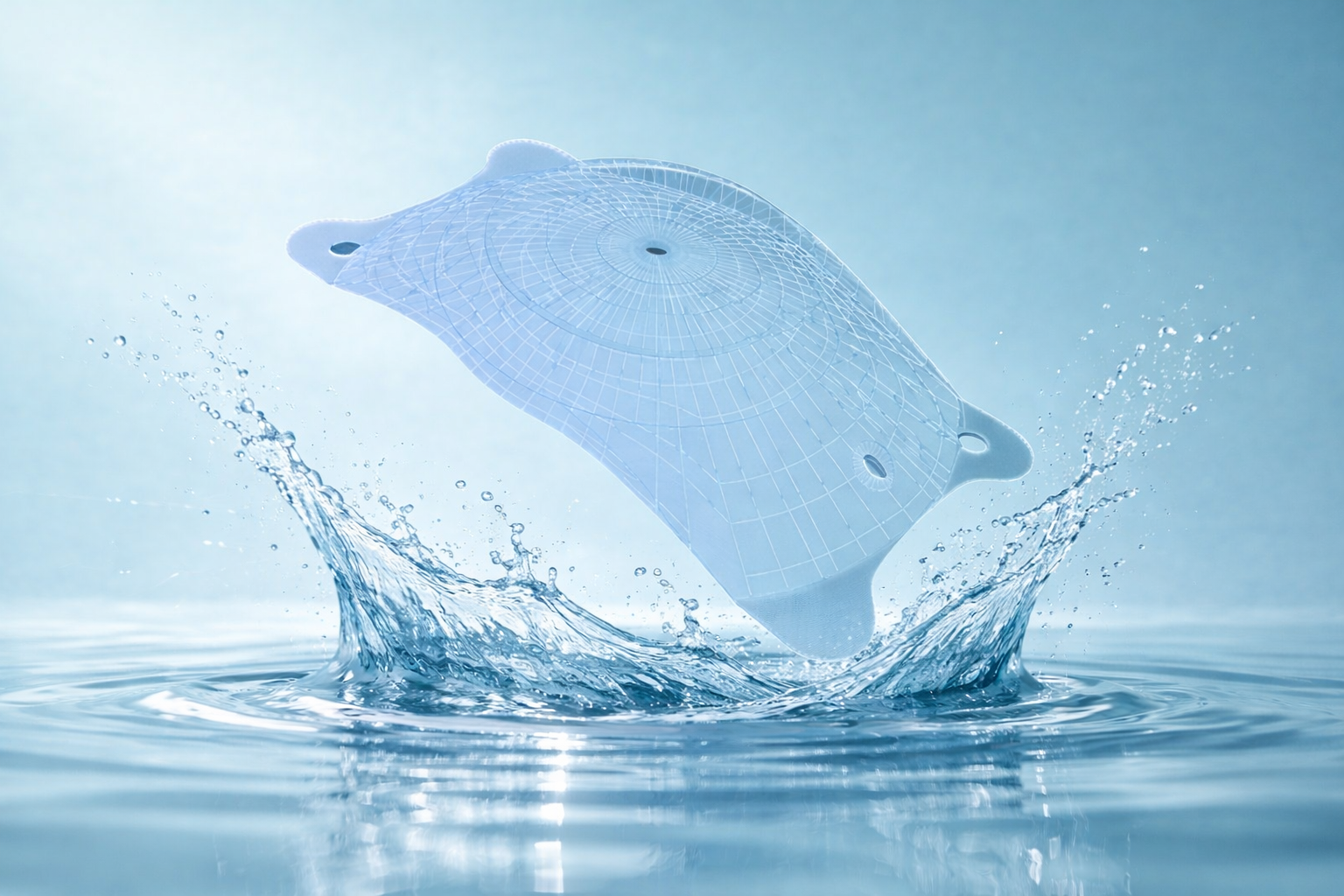
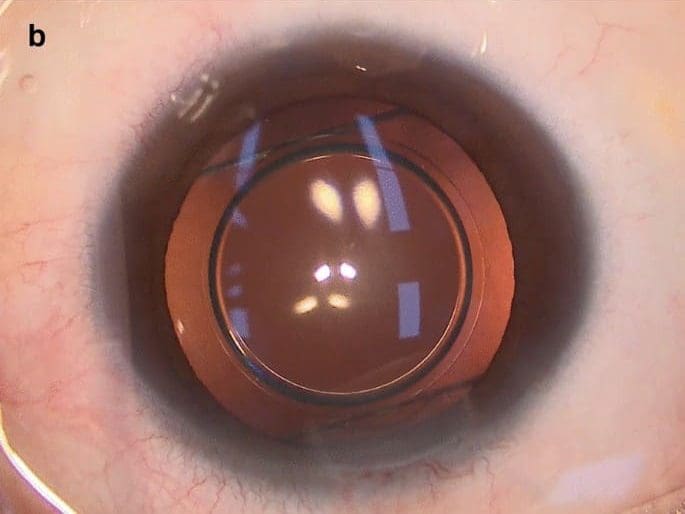
Phakic Premium is a refractive correction method that involves implanting an ultra-thin biocompatible lens inside the eye, positioned behind the iris and in front of the natural crystalline lens. This lens functions as an “additional intraocular lens,” allowing light to focus precisely onto the retina.
The fundamental difference between Phakic Premium and corneal laser procedures lies in the fact that:
This method does not interfere with, thin, or alter the shape of the cornea. This key advantage opens treatment opportunities for many cases that were previously considered “challenging” or “unsuitable for laser surgery.”
According to clinical statistics, approximately 20–30% of patients seeking myopia correction are not suitable candidates for laser procedures, with the majority falling into the three groups outlined below.
1. Thin cornea / corneal structure unsuitable for laser

Phakic Premium does not thin the cornea
Corneal laser procedures operate on the principle of ablating corneal tissue to adjust refractive power. Therefore, to ensure long-term safety, surgeons must always preserve a minimum residual corneal thickness after surgery.
In the following situations, laser treatment is often not recommended:
- Congenitally thin cornea
- Steep or asymmetric cornea
- Risk of corneal biomechanical weakness (risk of post-operative corneal ectasia)
According to numerous studies, corneal ectasia after laser surgery, although rare, is a very serious complication that can cause irreversible vision loss and require complex long-term management.
Phakic Premium directly addresses this issue because it:
- Does not thin the cornea
- Does not affect the eye’s biomechanical stability
- Preserves the natural corneal structure
For patients with thin corneas, this is often a safer long-term option rather than attempting to push laser treatment to its risk limits.
2. High myopia and astigmatism

Phakic Premium can correct a wide range, including high myopia and astigmatism
Corneal laser procedures have certain limitations regarding the range of refractive errors that can be safely corrected. When myopia or astigmatism is too high, the amount of corneal tissue that must be ablated increases significantly, leading to risks such as:
- Excessive corneal thinning
- Residual refractive error after surgery
- Reduced quality of vision, especially at night
In practice, in cases of:
- High myopia (typically around ~8–10 diopters or more)
- High astigmatism or complex astigmatic axes
Laser treatment is no longer the optimal choice. Meanwhile, Phakic Premium can correct a broader refractive range, including high myopia and astigmatism, without depending on corneal thickness.
Some notable data include:
- Post-operative uncorrected visual acuity success rates with Phakic ICL reported at over 90–95%
- Stable night vision quality with fewer cornea-induced optical aberrations
For patients with high myopia and astigmatism, Phakic Premium often delivers sharper and more stable vision, especially in situations requiring high visual performance such as night driving or intensive work.
3. Patients with dry eye or high risk of dry eye

Phakic Premium is suitable for patients with dry eye or high risk of dry eye
Dry eye is one of the most common complaints following corneal laser surgery. The primary cause is that laser treatment disrupts part of the corneal nerve network, reducing the tear secretion reflex for an extended period.
Studies show that:
- Up to 30–60% of patients experience dry eye after LASIK, particularly during the first 6–12 months
- A small proportion may experience prolonged symptoms
High-risk groups include:
- Office workers who spend long hours using digital screens
- Long-term contact lens wearers
- Patients with a history of dry eye or tear film disorders
Phakic Premium has minimal impact on corneal nerves; therefore, it:
- Rarely causes post-operative dry eye
- Is suitable for sensitive eyes
- Allows patients to feel more comfortable in daily activities and work
For many patients, this becomes a decisive factor, as clear vision alone cannot compensate for chronic dry eye that significantly reduces quality of life.
Most importantly, the choice of procedure should be based on thorough examinations, precise measurements, and consultation with a specialist. When appropriately indicated, Phakic Premium not only improves visual acuity but also protects ocular structure and maintains visual quality for many years to come.
 23/02/2026












 0916.741.763
 Appointment