

 vi
vi 01-Feb-2026
 1,615
1,615 Understanding –18.00 Diopter Myopia in Clinical Practice

Can –18.00 diopter myopia be treated with Phakic ICL?
Myopia of –18.00 diopters is classified as very high to extreme myopia. At this level, the axial length of the eyeball is typically longer than normal, causing light rays to focus in front of the retina rather than directly on it. Patients usually rely entirely on spectacles or contact lenses and face a higher risk of associated complications such as:
- Reduced quality of night vision
- Eye strain and headaches during prolonged visual tasks
- Increased risk of peripheral retinal degeneration and retinal detachment compared with low myopia
In refractive treatment, very high myopia also implies that the cornea often cannot safely tolerate laser ablation procedures due to limitations in corneal thickness and biomechanical stability.
Why is laser surgery often unsuitable for –18.00 diopter myopia?
Corneal laser procedures such as LASIK, Femto LASIK, or SMILE are based on altering corneal curvature by removing corneal tissue. The higher the degree of myopia, the greater the amount of tissue that must be ablated.
In patients with –18.00 diopters of myopia, laser treatment commonly encounters the following limitations:
- The required volume of corneal tissue removal exceeds the safe threshold
- Risk of insufficient residual corneal thickness, potentially leading to postoperative corneal ectasia
- Unstable postoperative visual quality with increased glare and halos
Therefore, in contemporary ophthalmic practice, corneal laser surgery is generally not the preferred option for patients with very high myopia.
What is Phakic ICL and how does it differ from laser surgery?

What is Phakic ICL and how does it differ from laser surgery?
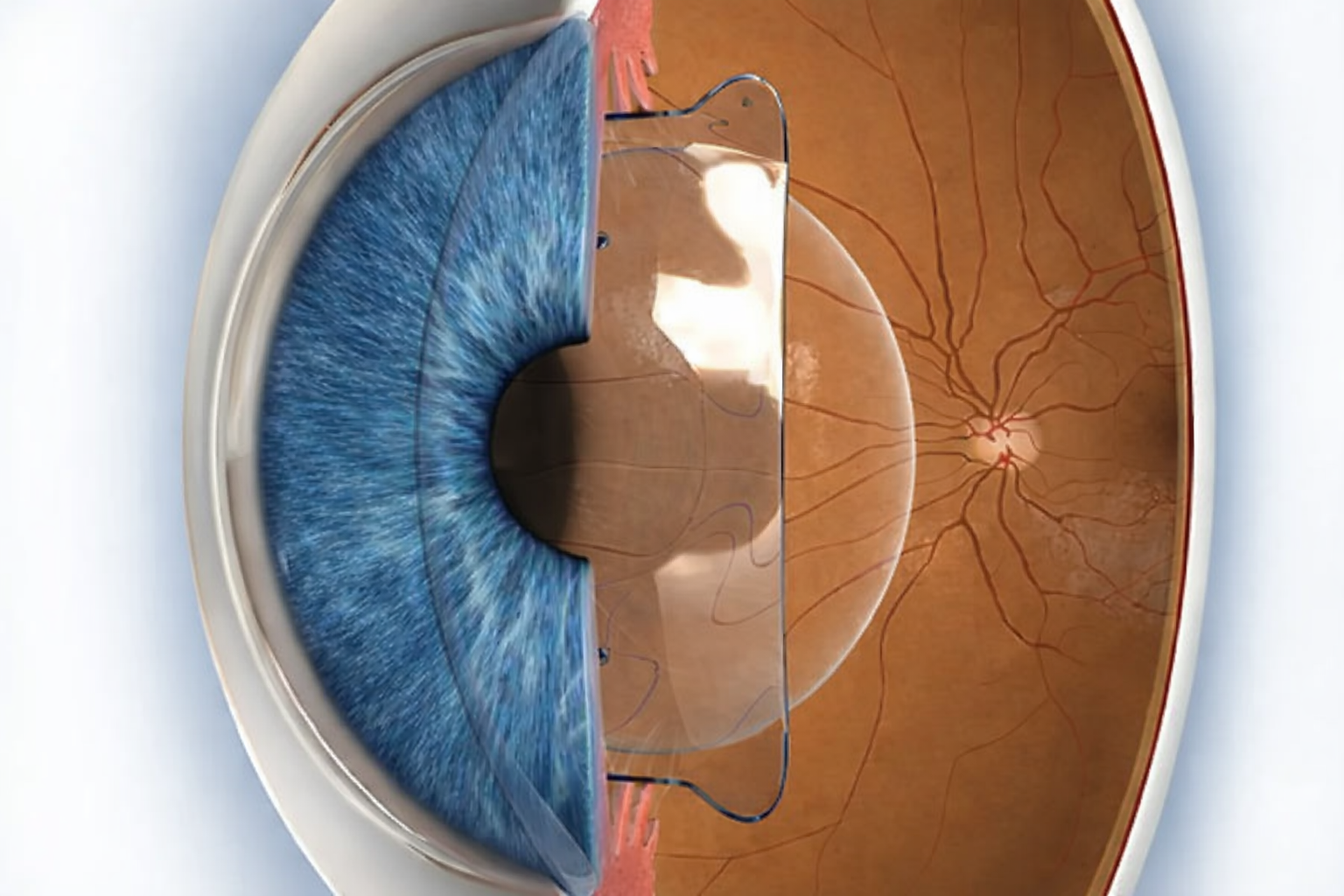
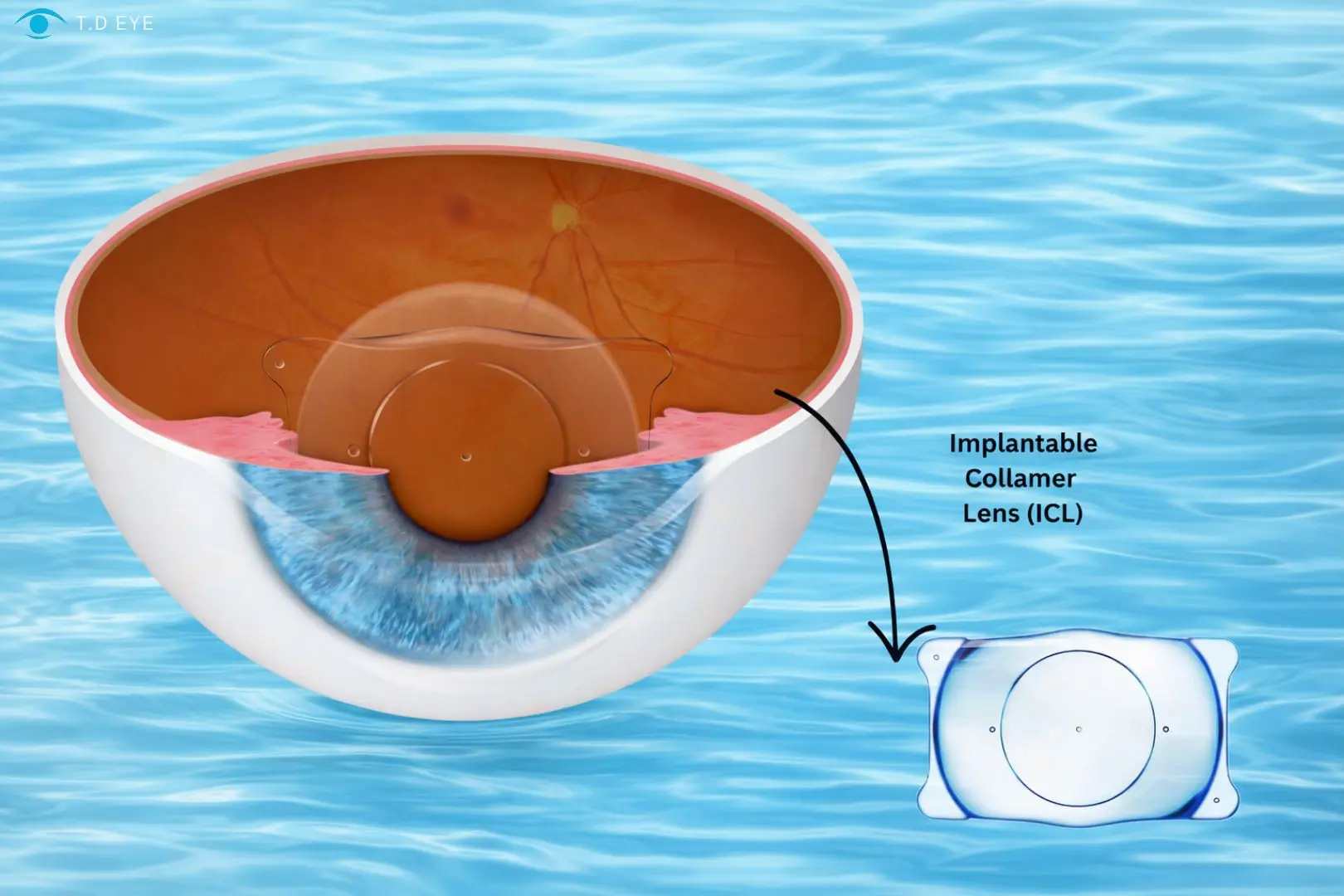
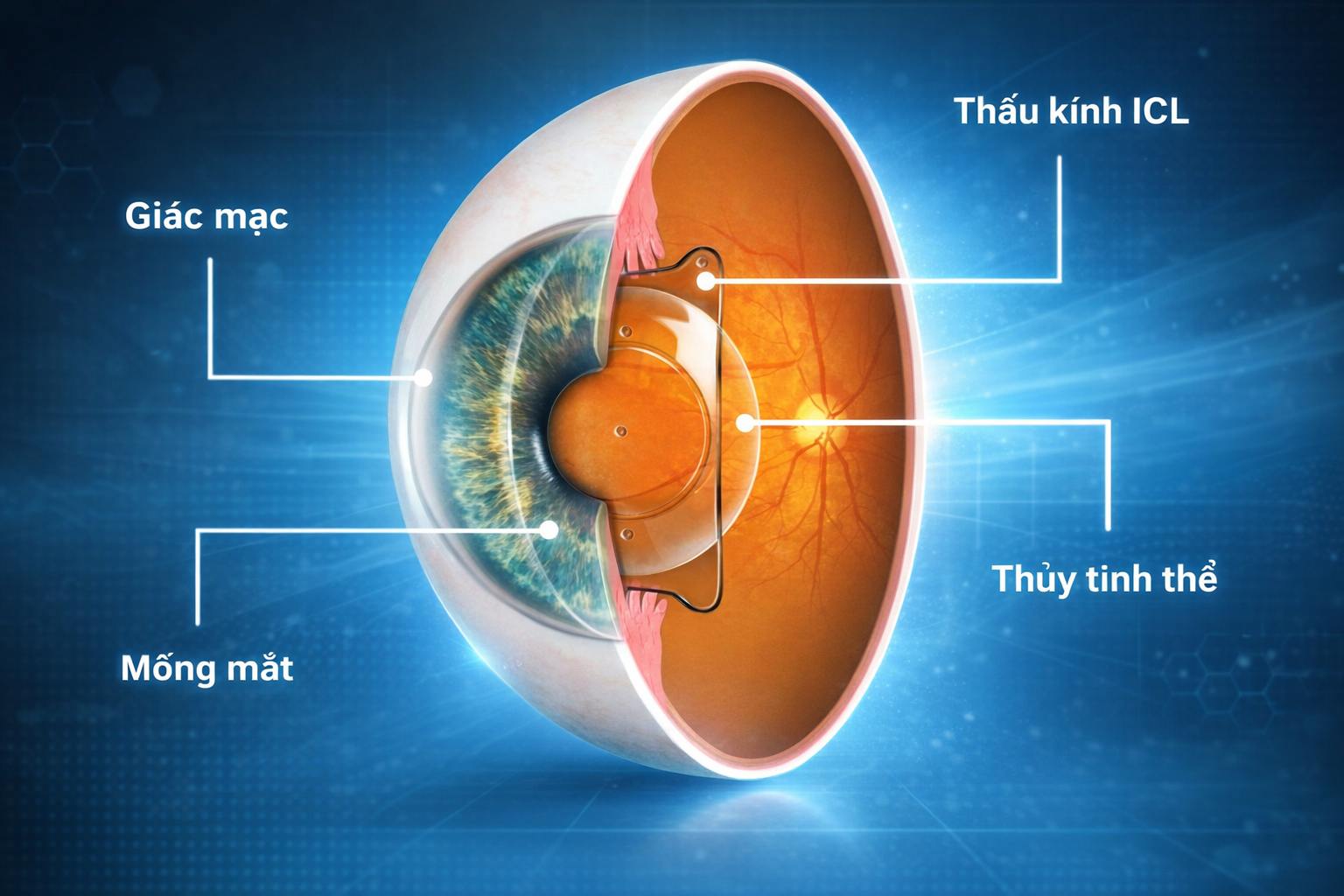
Phakic ICL (Implantable Collamer Lens) is an intraocular lens implanted inside the eye, positioned behind the iris and in front of the natural crystalline lens. The fundamental characteristics of this method include:
- No corneal tissue removal
- No alteration of corneal biomechanical structure
- Refractive correction achieved by adding an appropriately powered converging lens
Essentially, Phakic ICL functions in a manner similar to contact lenses, but is permanently positioned inside the eye, providing more stable visual quality without dependence on daily insertion or removal.
Is –18.00 diopter myopia within the treatment range of Phakic ICL?
From a refractive indication standpoint, Phakic ICL offers a broad corrective range for myopia, typically up to approximately –18.00 diopters, and can also address associated astigmatism.
This means that –18.00 diopters of myopia is not a contraindication in terms of lens power. Patients with high myopia are precisely the group in which Phakic ICL demonstrates clear advantages over laser procedures. However, in medicine, indications are never determined by a single numerical value alone.
Mandatory preoperative evaluations before Phakic ICL implantation
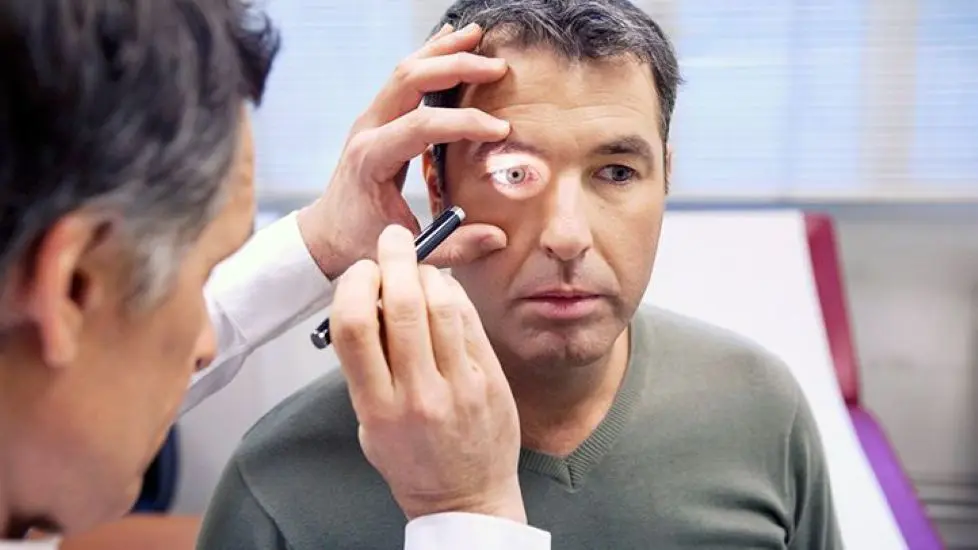
Mandatory preoperative evaluations before Phakic ICL implantation
For patients with –18.00 diopters of myopia, ophthalmologists perform comprehensive examinations to assess the following criteria:
- Adequate anterior chamber depth to ensure that the ICL does not exert pressure on the crystalline lens or the anterior chamber angle, thereby reducing the risk of secondary glaucoma or early cataract formation.
- Corneal endothelial cell density, which is a critical factor in maintaining long-term corneal transparency after surgery.
- ICL design must be individualized for each eye; therefore, biometric parameters related to globe size and ocular morphology must be measured with high precision.
- Refractive stability over a defined period is required to minimize postoperative refractive changes.
- In patients with very high myopia, careful retinal examination is essential to detect and manage peripheral retinal lesions when present.
Only when all these criteria are satisfied can Phakic ICL be safely indicated.
Distinct advantages of Phakic ICL in patients with very high myopia
In patients with –18.00 diopters of myopia, Phakic ICL offers several clinically significant advantages:
- High visual quality with improved contrast sensitivity
- Lower induction of higher-order aberrations compared with laser correction in severe myopia
- Rapid recovery with early visual improvement
- Reversibility, allowing future modification if necessary
Most importantly, this approach fully preserves corneal integrity, a key factor in long-term refractive management.
From an ophthalmic perspective, –18.00 diopters of myopia can be effectively treated with Phakic ICL, and in clinical practice, this represents one of the most appropriate indication groups for the procedure. Nevertheless, surgical decisions are not based solely on refractive error but require comprehensive evaluation of ocular structure and long-term safety considerations.
Therefore, patients with very high myopia should undergo thorough assessment at ophthalmic centers experienced in Phakic ICL implantation to receive accurate, individualized, and evidence-based consultation.
 30/01/2026









 0916.741.763
 Appointment