

 vi
vi 30-Jan-2026
 3,800
3,800 Introduction to Phakic ICL 2026
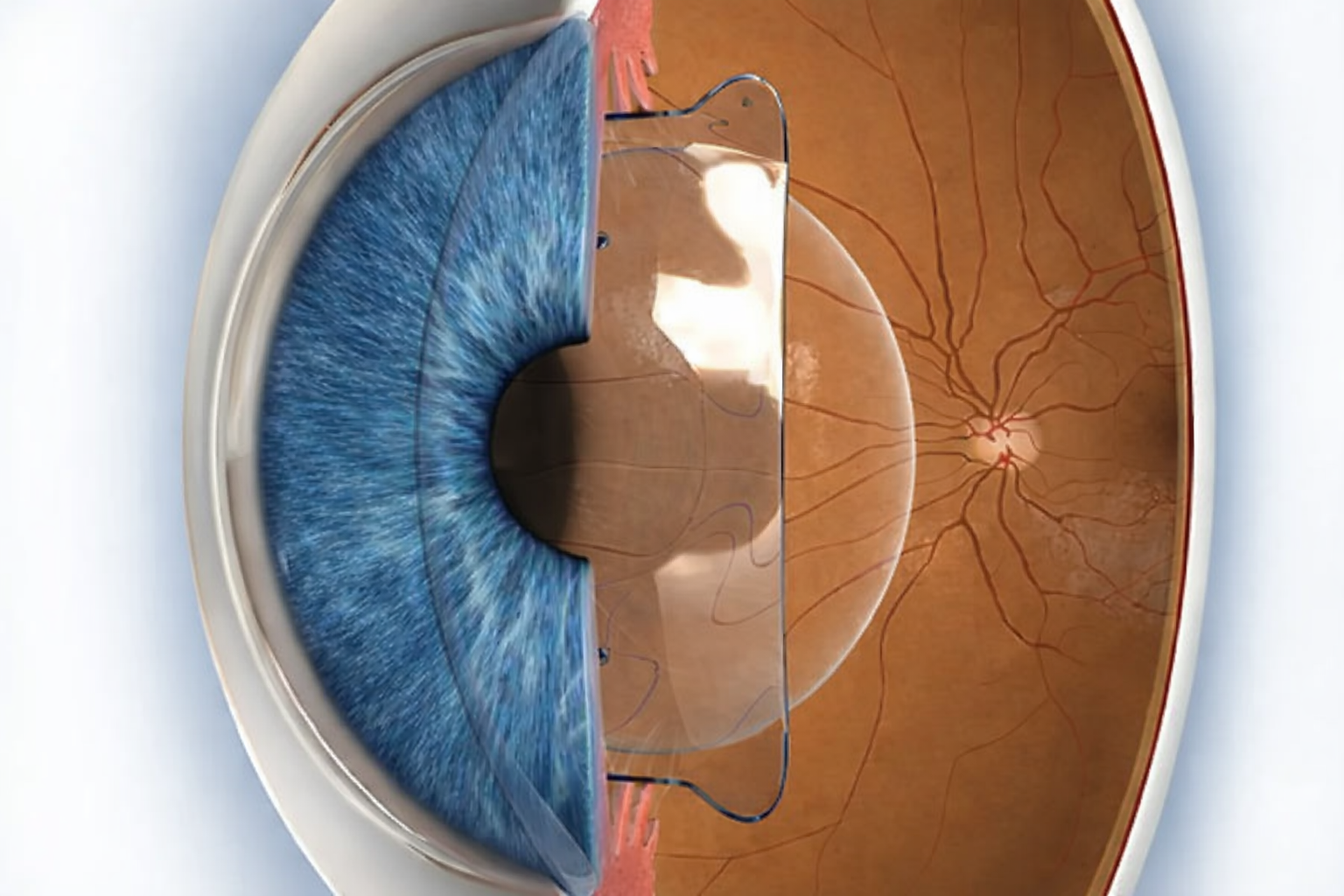
Why is Phakic ICL 2026 highly regarded by specialists?
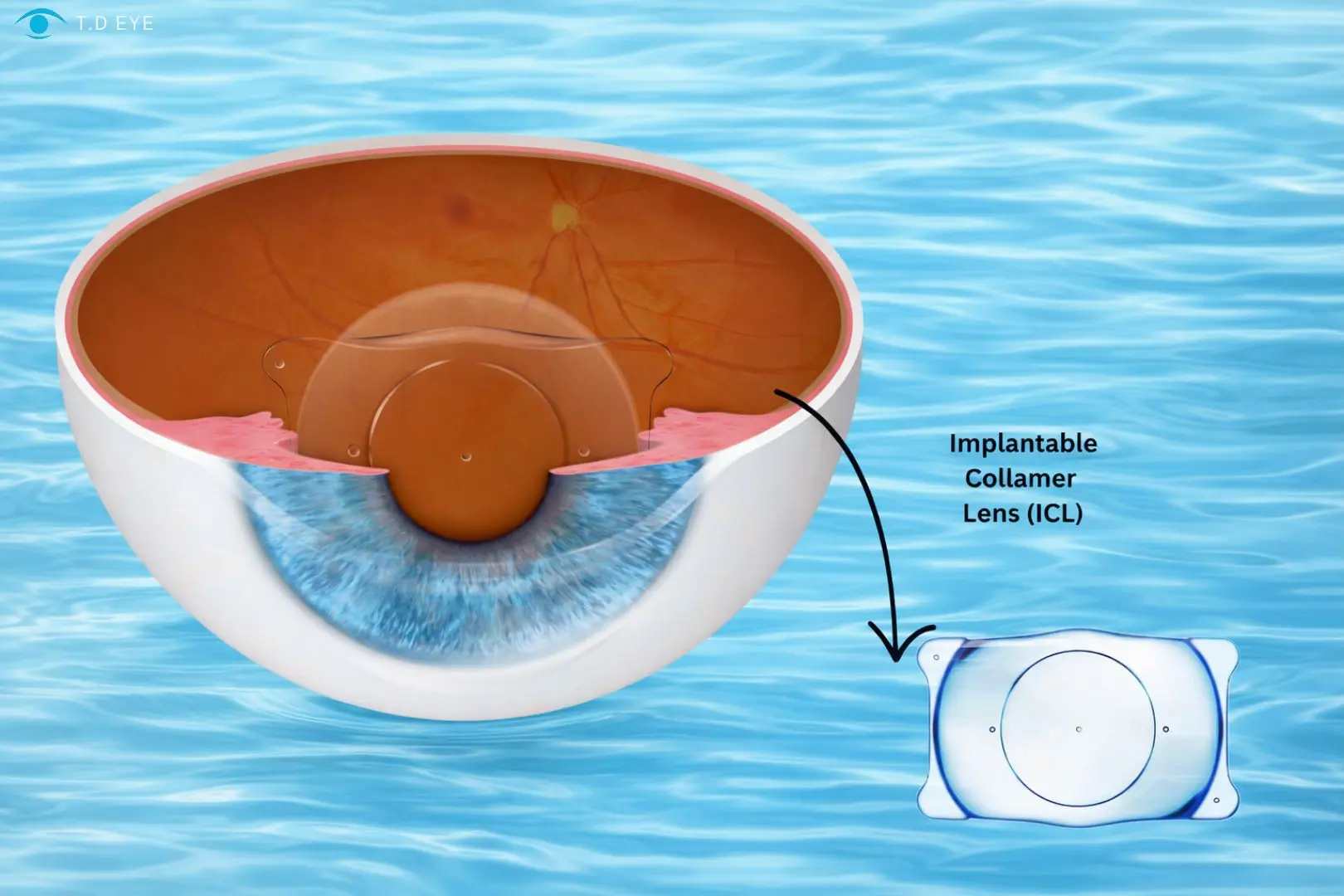
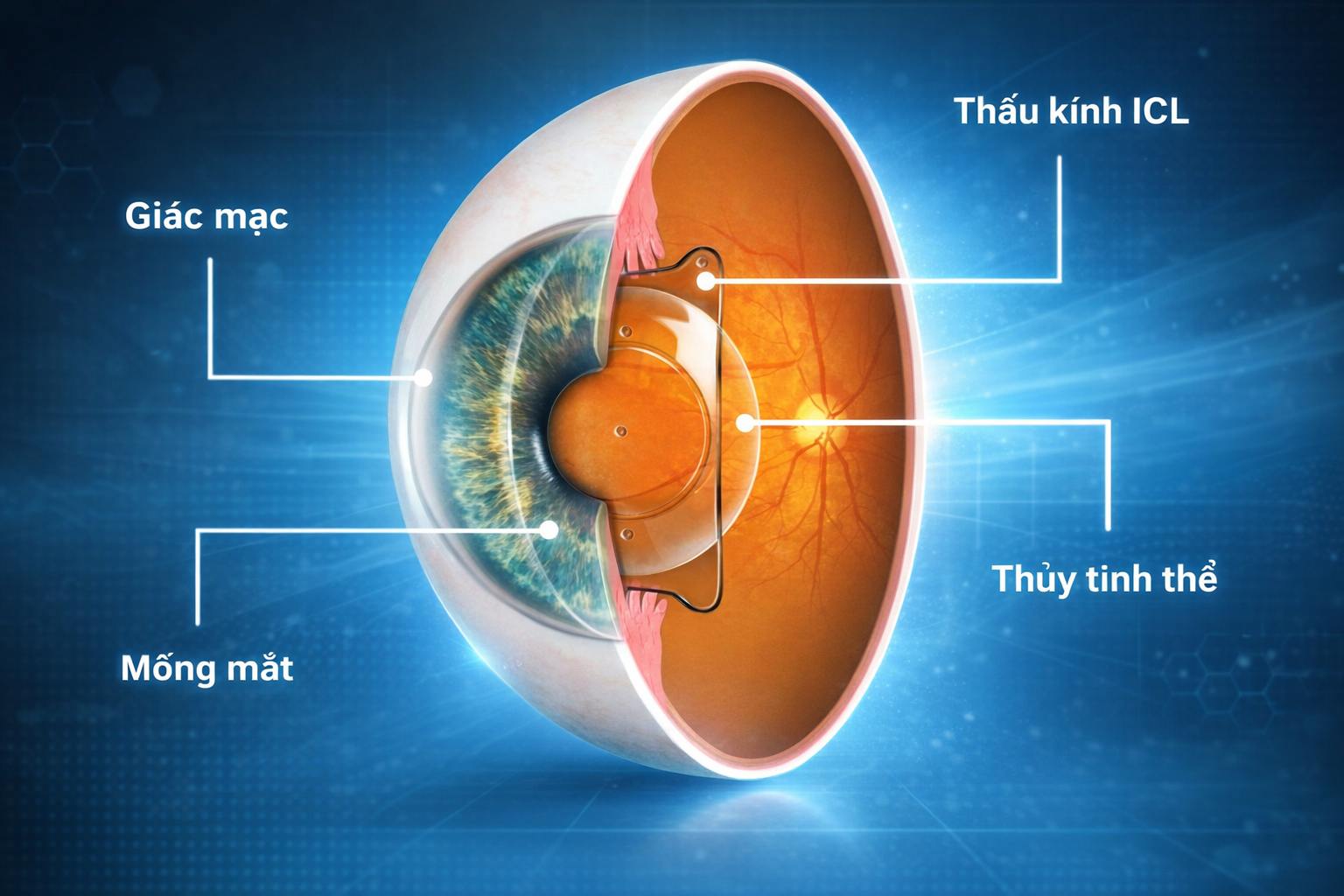
Phakic ICL (Implantable Collamer Lens) is a refractive error treatment method that involves placing a biocompatible soft intraocular lens inside the eye, positioned between the iris and the natural crystalline lens, rather than reshaping the corneal surface as in LASIK or SMILE. Although it is not a new technique – having been developed since the early 2000s – by 2026, Phakic ICL is considered a standard of care for patients with high myopia and thin corneas at many major ophthalmology centers worldwide.
The main advantage of these lenses is that they make it possible to correct myopia, hyperopia, and/or astigmatism that cannot be treated with corneal laser surgery, and in some cases, they even improve the patient’s visual capacity.
Why do specialists highly value Phakic ICL?
1. Preservation of corneal structure
One of the most highly appreciated advantages among ophthalmologists is that Phakic ICL does not damage the corneal surface, unlike LASIK or SMILE, which require removal of corneal tissue to reshape it. This is particularly important for patients with thin corneas or high astigmatism – groups that are often unsuitable for traditional laser refractive surgery.
2. Wide treatment range
Phakic ICL can correct myopia ranging from -3.0D to -20.0D, including significant astigmatism, and is considered by specialists to be an effective solution for many complex or challenging eye conditions.
3. No postoperative dry eye
Dry eye is a relatively common issue after laser refractive surgery. Because Phakic ICL preserves the corneal structure, patients experience a much lower incidence of dry eye, resulting in a more comfortable postoperative recovery.
4. UV protection and more natural vision
The biocompatible Collamer lens not only corrects refractive errors but also filters a portion of ultraviolet (UV) light, contributing to long-term ocular protection. Although subtle, this benefit is highly valued by many ophthalmologists when counseling patients.
Real-world data and trends in 2026
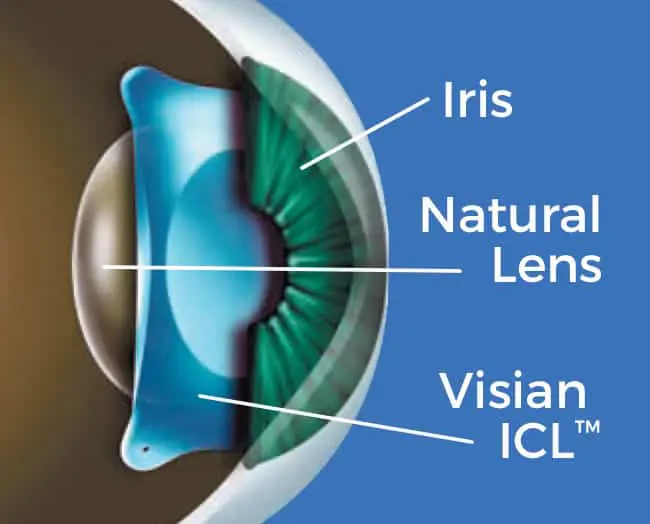
Real-world data and trends in Phakic refractive surgery in 2026
1. Scientific conference reports in 2026
At the Annual Scientific Conference 2026, real-world clinical outcomes showed that Phakic ICL EVO accounted for more than 80% of refractive surgeries at a major center in Ho Chi Minh City, with over 95% of patients reporting satisfaction and willingness to recommend the procedure to family members. This provides strong real-world evidence that the technology is not only safe but also delivers a positive visual experience for patients.
2. Trend toward personalized treatment
A notable trend highlighted by ophthalmic experts is the customization of intraocular lenses based on precise measurements of each individual eye, supported by advanced diagnostic systems. This approach helps optimize postoperative outcomes and minimize complications.
What do specialists say about Phakic ICL?
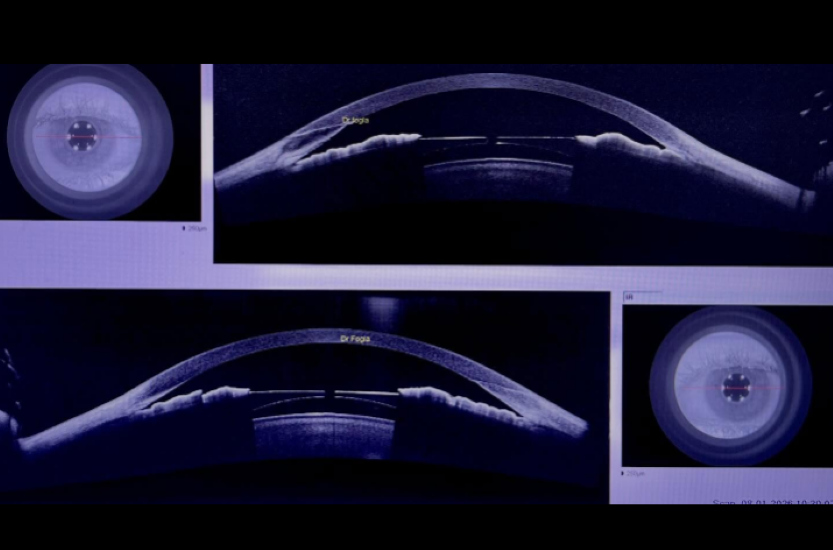
Five-year follow-up after Visian ICL (phakic) implantation.
Five-year follow-up after Visian ICL (phakic) implantation shows patients achieving excellent uncorrected visual acuity of 20/20 in both eyes.
In recent years, many ophthalmologists have received international recognition and awards for their contributions to the field of Phakic ICL. For example, a Vietnamese ophthalmologist was honored by STAAR Surgical with the Award 5000 for completing more than 5,000 successful Phakic ICL procedures, demonstrating that this technique is not only widely adopted internationally but also strongly developed in Vietnam.
Comparison: Phakic ICL vs LASIK / SMILE
| Criteria | Phakic ICL | LASIK / SMILE |
|---|---|---|
| Corneal tissue preservation | ✔️ | ❌ |
| Suitable for high myopia | ✔️ | Limited |
| Postoperative dry eye | Low | Common |
| UV filtering | ✔️ | ❌ |
| Treatment range | Wide | More limited |
(Based on aggregated data and professional analysis)
Who is suitable for Phakic ICL?
According to specialists, Phakic ICL is suitable for:
- Patients with high myopia or complex astigmatism
- Eyes with thin corneas or insufficient conditions for laser surgery
- Individuals who wish to preserve corneal structure
- Those seeking long-term, stable visual outcomes
Final candidacy should always be determined by a specialist based on individual ocular anatomy and personal needs.
It is no coincidence that Phakic ICL 2026 is increasingly favored and highly regarded by specialists. With its foundation of safety, durability, and suitability for complex eye conditions – combined with positive postoperative outcomes and a trend toward personalized treatment—this method is gradually becoming a leading option for patients who are not suitable for laser refractive surgery.

 01/02/2026











 0916.741.763
 Appointment