

 vi
vi 19-Dec-2025
 7,030
7,030 The eyes are extremely sensitive organs, in which the cornea plays a particularly important role yet is also highly vulnerable to injury. Corneal tears are not uncommon in daily life and may occur due to workplace accidents, sports injuries, foreign objects entering the eye, or even from the habit of rubbing the eyes forcefully. Many people tend to be complacent, assuming it is only a minor scratch; however, in reality, a corneal tear can lead to serious consequences if not detected and managed properly.
What Is the Cornea?
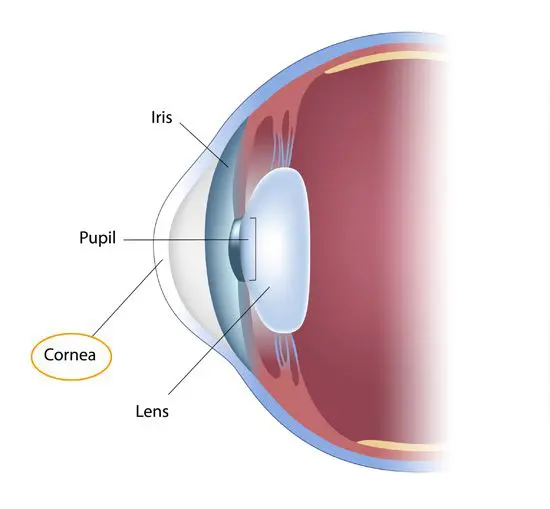
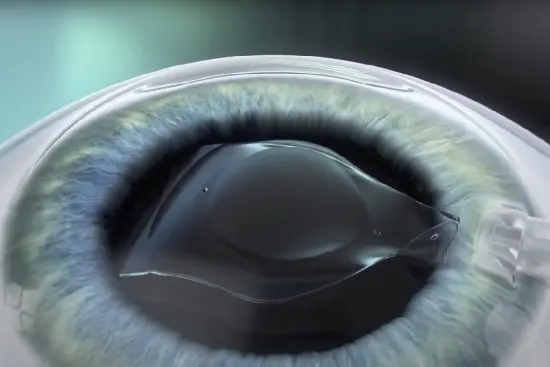
Location of the cornea in the eye
The cornea is a transparent layer of tissue located at the very front of the eyeball, covering the iris and the pupil. It can be likened to the “protective glass” of a camera, serving to receive and direct light into the eye. Thanks to its transparency and appropriate curvature, the cornea allows light to be precisely focused onto the retina, enabling clear vision.
One important characteristic of the cornea is that it has no blood vessels, yet it contains a dense network of sensory nerve endings. Therefore, even very minor injuries can cause noticeable pain, irritation, or a gritty sensation.
Structure of the Cornea
Anatomically, the cornea consists of five main layers, arranged from the outermost to the innermost:
- Corneal epithelium: the outermost layer, responsible for protecting the eye from bacteria, dust, and external agents. This layer can regenerate quickly if the injury is superficial.
- Bowman’s membrane: a thin but strong layer that supports the corneal structure.
- Corneal stroma: accounting for about 90% of the corneal thickness, determining its transparency and mechanical strength.
- Descemet’s membrane: an elastic layer that helps maintain the cornea’s shape.
- Corneal endothelium: the innermost layer, responsible for regulating water content to keep the cornea clear.
The average corneal thickness is only about 0.5–0.6 mm at the center and 0.7–1 mm at the periphery; therefore, even a strong impact can cause a corneal tear.
In particular, individuals with thin corneas due to congenital factors, previous eye surgery, chronic dry eye, or improper long-term contact lens use have an even lower tolerance to mechanical stress.
Functions of the Cornea

Functions of the Cornea
The cornea performs three essential functions:
- Light refraction: contributing the majority of the eye’s refractive power and directly affecting visual quality.
- Protection of the eyeball: acting as the first barrier against bacteria and foreign bodies entering the eye.
- Maintaining clear vision: its transparency prevents images from becoming blurred or distorted.
When the cornea is damaged, all three of these functions may be compromised.
What Is a Corneal Tear?
A corneal tear is a condition in which the corneal tissue is damaged due to abrasion, cracking, or deep laceration. Depending on the severity, the injury may be limited to the epithelial layer or extend into deeper layers.
People with a corneal tear often experience symptoms such as:
- Pain, irritation, or a gritty sensation in the eye
- Redness and excessive tearing
- Sensitivity to light
- Blurred vision or reduced visual acuity
- A feeling of having a foreign body in the eye
Is a Corneal Tear Dangerous?
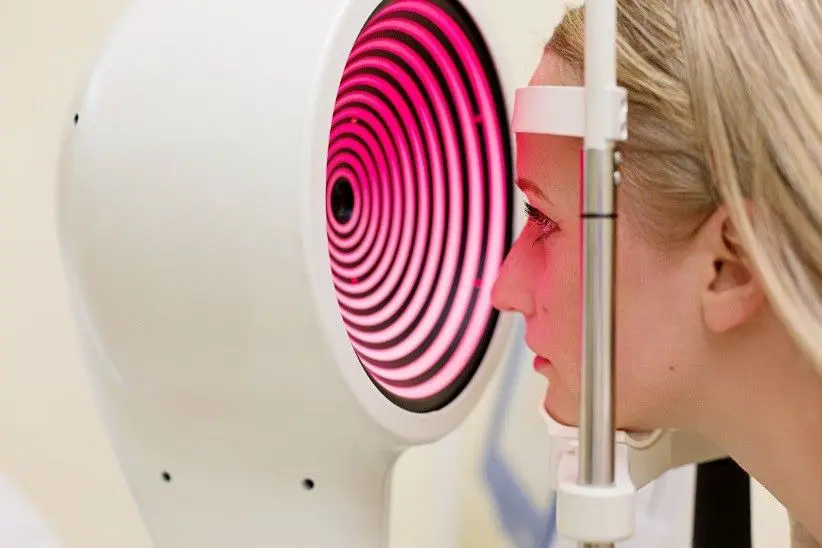
Is a corneal tear dangerous?
The severity of a corneal tear depends on its depth, location, and underlying cause.
Minor corneal tears
If the injury is limited to the epithelial layer, the cornea can often heal on its own within a few days. Doctors typically prescribe antibiotic eye drops, protective ointments, and close follow-up.
Severe corneal tears
When the tear extends into the stroma or penetrates the full thickness of the cornea, the risk of complications increases significantly. Patients may experience:
- Intraocular infection
- Leakage of intraocular fluid, leading to globe collapse
- Corneal scarring that permanently reduces vision
- An increased risk of blindness if not treated promptly
Notably, corneal tears cannot be reliably detected with the naked eye. Self-diagnosis at home can easily result in improper management and worsening of the condition.
Common Causes of Corneal Tears
Some common causes include:
- Foreign objects entering the eye, such as sand, metal fragments, or wood splinters
- Workplace or sports-related injuries
- Forceful eye rubbing, especially when the eyes are dry or irritated
- Improper contact lens use, including prolonged wear
- Direct trauma to the eye
What to Do If a Corneal Tear Is Suspected
If a corneal tear is suspected, patients should:
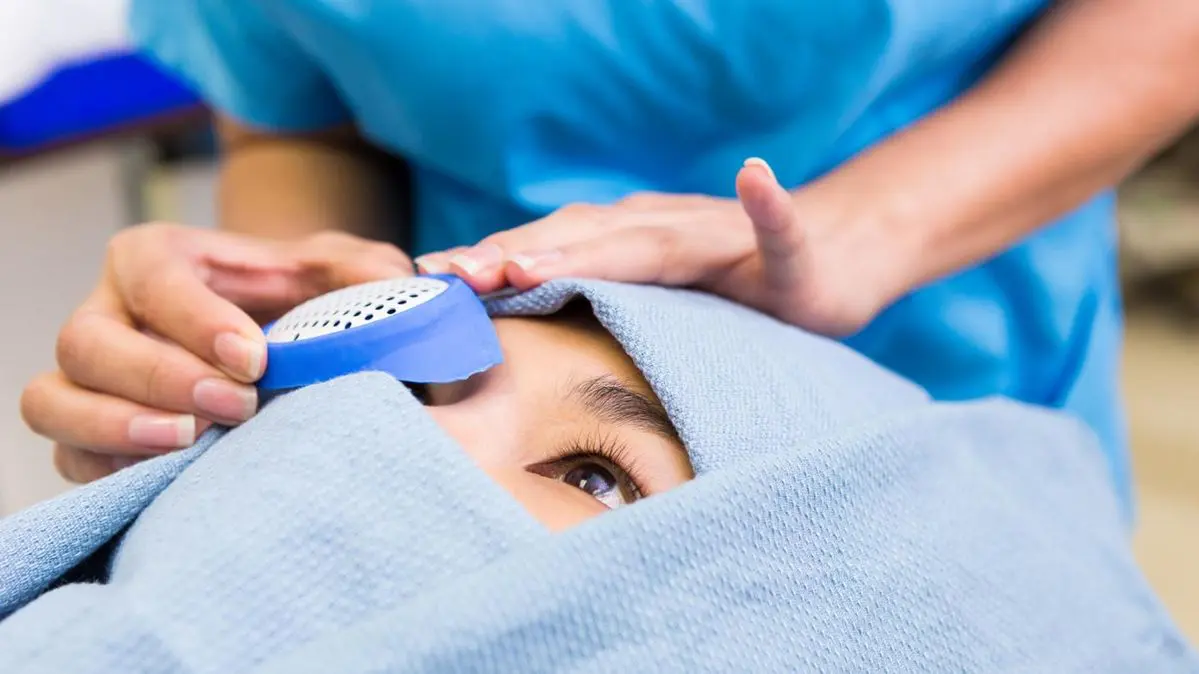
- Gently shield the eye and avoid bright light
- Avoid rubbing or pressing on the eye
- Do not self-administer antibiotic or other eye drops
- Avoid wearing contact lenses
- Seek immediate care at a specialized eye clinic or hospital
At the hospital, ophthalmologists will use specialized tools such as a slit lamp and fluorescein staining to accurately assess the extent of corneal damage.
Treatment Options for Corneal Tears
Depending on the severity, doctors may recommend:
- Medical treatment with antibiotic, anti-inflammatory, and corneal-protective eye drops
- Corneal suturing if the tear is deep or at risk of perforation
- Corneal transplantation in severe cases where scarring significantly affects vision
The earlier the treatment is initiated, the higher the likelihood of visual recovery.
How to Prevent Corneal Tears
To reduce the risk of corneal tears, you should:
- Wear protective eyewear during work or sports
- Avoid forceful eye rubbing, especially when your eyes feel dry or fatigued
- Use contact lenses correctly and within recommended time limits
- Maintain proper hand and eye hygiene
- Schedule regular eye examinations to detect abnormalities early
A corneal tear may seem like a minor injury, but it can lead to serious consequences if underestimated. Understanding the structure and function of the cornea, as well as knowing how to respond appropriately to eye injuries, is crucial for protecting long-term vision. If you experience eye pain, redness, excessive tearing, or blurred vision after an eye injury, seek prompt evaluation and treatment at a specialized eye care facility.
 08/01/2026











 0916.741.763
 Appointment